
Hire an Automotive Photographer for Your Dealership
June 3, 2026
Hiring an automotive photographer for your dealership is the single most direct way to increase vehicle detail page views, buyer inquiries, and ultimately, sales conversions. Professional automotive photography, the recognized industry term for this service, transforms raw inventory into compelling visual listings that buyers trust. Replacing stock photos with custom images increases vehicle detail page views by 166% for a single image and by 349% when multiple custom photos are used. That number means one thing for your bottom line: every vehicle sitting on your lot without professional imagery is leaving money on the table. This guide covers everything from prerequisites and cost structures to hiring steps and common pitfalls.
How to hire an automotive photographer for your dealership
Before you post a job listing or call a photography studio, you need to understand what you are actually buying. A professional automotive photographer delivers a standardized set of images per vehicle, shot to specific angles, resolutions, and lighting conditions, then delivered in formats compatible with your dealership management system (DMS) and listing platforms like Cars.com or AutoTrader. The service is not a one-time creative project. It is a repeatable production workflow that runs alongside your inventory cycle.
Vehicle detail pages generate 75% of a dealership website’s total traffic. That single fact reframes photography from a marketing expense into a core operational function. When you hire a car photographer, you are staffing a production role, not commissioning art.
The industry standard for photo counts is 20 custom images per vehicle at minimum, with 30 to 40 being the recommended range for maximum engagement. Beyond stills, video walkarounds increase buyer inquiries by four times compared to photo-only listings. A 60-second walkthrough covering the exterior, interior, and engine start is now a baseline expectation from serious buyers, not a premium add-on.
What does your dealership need before the photo shoot?
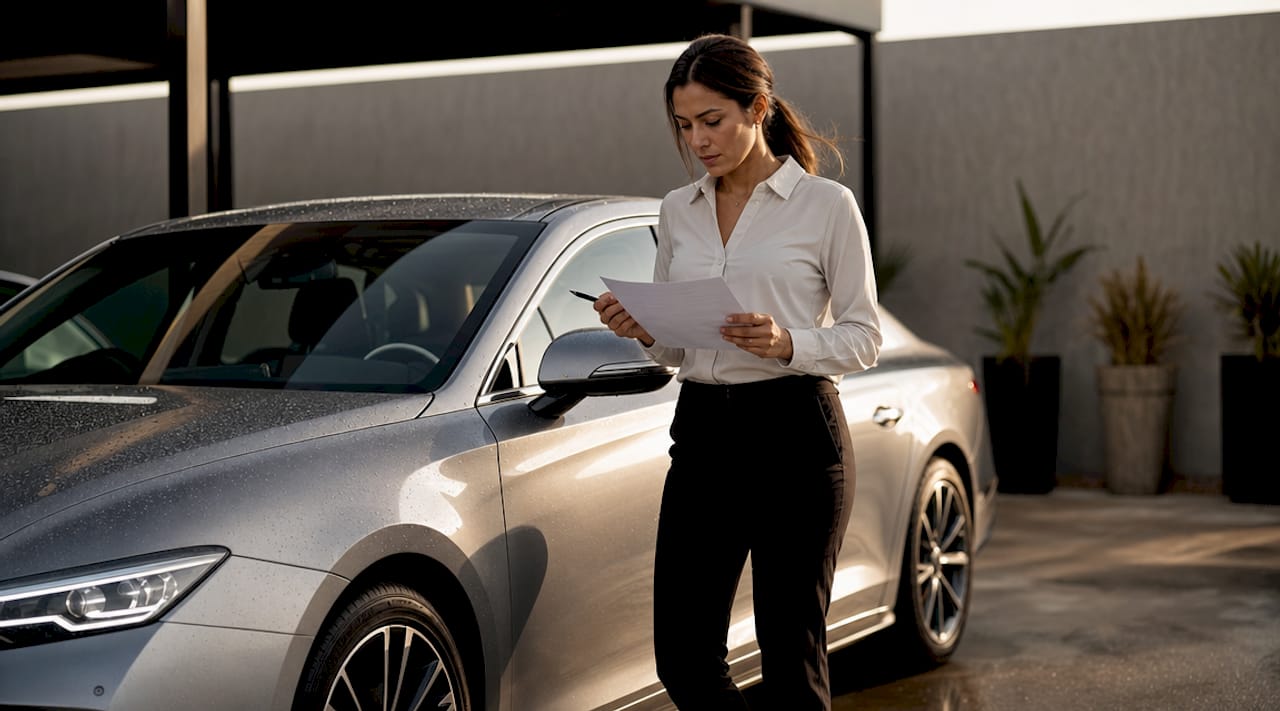
Preparation determines whether a dealership photo shoot runs efficiently or wastes everyone’s time. Address these requirements before you sign any contract.
- Inventory volume and scheduling cadence. Know how many vehicles you photograph per week and whether that number spikes at auction days or end-of-month trade-ins. A photographer pricing per vehicle needs this data to quote accurately. You need it to set realistic turnaround expectations.
- DMS and listing platform compatibility. Your photographer’s delivery format must match what your DMS accepts. Common systems like CDK Global, Reynolds and Reynolds, and DealerSocket each have specific image upload requirements. Confirm file format, resolution minimums, and naming conventions before the first shoot.
- Shot list and angle specifications. Define the required angles in writing: front three-quarter, rear three-quarter, driver profile, passenger profile, front grille, rear badge, dashboard, instrument cluster, front seats, rear seats, cargo area, engine bay, and odometer. Locking this list down before hiring prevents disputes over deliverables later.
- Vehicle preparation standards. Every vehicle must be clean, dry, and free of dealer stickers or temporary plates before the photographer arrives. Inconsistent prep is the number one cause of reshoots and wasted shoot time.
Pro Tip: Create a one-page vehicle prep checklist and post it in your detail bay. Require sign-off before any car moves to the photo area. This single step eliminates the most common source of reshoot costs.
Professional vs. in-house dealership photography: which model fits your operation?
This is the decision most dealership managers get wrong because they evaluate it on cost alone. The real comparison involves scheduling control, quality consistency, and scalability.
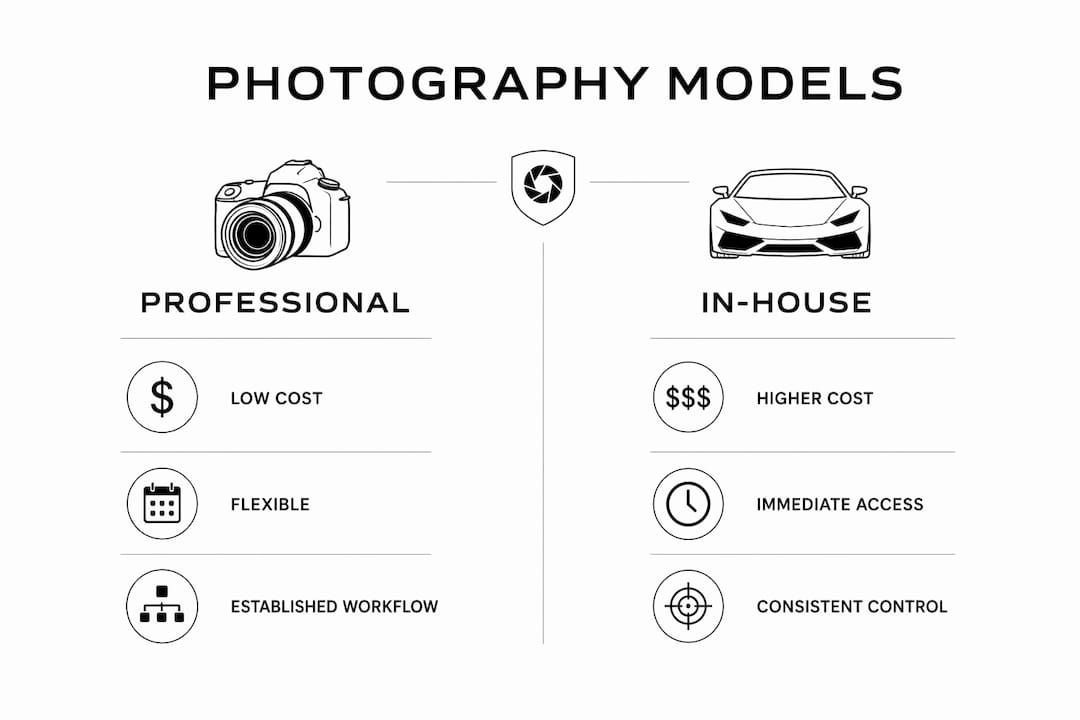
| Factor | Professional (outsourced) | In-house photography |
|---|---|---|
| Upfront cost | Low to none | High (equipment, training, space) |
| Per-vehicle cost | Per-image or per-vehicle fee | Labor cost per capture |
| Capture time | Varies by vendor | Averages 10 to 15 minutes per vehicle |
| Scheduling control | Dependent on vendor availability | Full internal control |
| Quality consistency | High if vendor is vetted | High if workflows are standardized |
| Scalability | Easy to scale up or down | Requires hiring or overtime |
| DMS integration | Varies by vendor | Fully controllable |
Dealerships with steady, high inventory volumes often find in-house photography more cost-effective over time, while smaller operations benefit from outsourcing because it removes the overhead of equipment and trained staff. The break-even point depends on your monthly unit volume and the per-vehicle rate you negotiate with a vendor.
The hidden cost of outsourcing is scheduling dependency. If your vendor is unavailable on the day a high-demand trade-in arrives, that vehicle sits unlistable. Build a minimum 24-hour turnaround clause into any vendor contract and require a backup contact for scheduling conflicts.
Pro Tip: Ask every vendor candidate to show you their workflow documentation, not just their portfolio. A photographer with a repeatable, documented process will outperform a talented freelancer with no system every single time.
Emerging technology is also reshaping this decision. Platforms like UVeye’s Scan to Sold capture exterior, underbody, and interior images in a single automated pass, and can reduce used vehicle listing time by nine days while increasing front-end gross profit by over $600 per vehicle. For high-volume used car operations, this technology may eventually replace traditional photography for condition documentation, though it does not replicate the visual quality needed for luxury or performance vehicle listings.
How to hire and manage a car photographer: a step-by-step process
Follow this sequence to move from candidate sourcing to a live, integrated photo workflow.
- Define your deliverables in writing. Before contacting anyone, document your required photo count, angles, resolution minimums, file format, turnaround time, and video requirements. This document becomes your vendor brief and your contract baseline.
- Source qualified candidates. Search for photographers with specific automotive portfolio work, not general commercial photography. Review their dealership clients, ask for references, and look for consistency across hundreds of vehicles, not just a handful of hero shots.
- Evaluate portfolios for consistency, not creativity. A dealership needs the 200th vehicle photographed to look as good as the first. Look for uniform backgrounds, consistent lighting, and clean compositions across an entire inventory catalog, not just showcase images.
- Request a paid test shoot. Pay for a 10-vehicle test shoot before committing to a full contract. Evaluate turnaround time, image quality, file delivery format, and how the photographer handles vehicle prep issues on the day.
- Negotiate pricing structure. Vendor pricing for automotive photography services typically involves a setup fee plus a per-image or per-vehicle rate. One common structure from commercial product photography vendors includes a setup fee around $100 plus a per-photo rate of approximately $15, though automotive rates vary based on location, volume, and service scope. Negotiate volume discounts for monthly minimums and clarify what constitutes a reshoot and who bears that cost.
- Set scheduling protocols. Agree on a fixed weekly shoot schedule and a process for urgent additions. Define the lead time required for vehicle prep and the notification process when vehicles are ready.
- Build an image review workflow. Designate one person at your dealership to review and approve images before they upload to your DMS. Define rejection criteria in writing so the photographer can self-correct without requiring a full reshoot.
- Test DMS integration before going live. Upload a test batch of images through your full workflow before the photographer’s first official shoot. Catch file format or naming errors before they affect live listings.
A fixed shot list aligned with your DMS and listing site requirements is the single most important document in this entire process. It removes ambiguity, speeds up shoots, and gives you a clear standard to enforce.
Common mistakes that reduce your photography ROI
Most dealerships that are unhappy with their automotive photography services made one of these errors.
- Skipping the shot list. Without a defined list, photographers default to their own preferences. You end up with beautiful images that miss the angles buyers actually use to evaluate a vehicle.
- Omitting damage documentation. Consistent, transparent photos that honestly show condition build buyer trust and reduce post-sale disputes. Hiding a door ding in the photography creates a customer service problem at delivery.
- Accepting under-delivery without consequence. If your contract specifies 30 photos and you receive 22, that shortfall directly reduces your VDP performance. Build a delivery verification step into your workflow and enforce it.
- Ignoring upload and integration failures. Images that sit in a delivery folder but never reach your listing platform generate zero value. Assign ownership of the upload process to a specific team member, not a shared inbox.
- Choosing vendors based on price alone. Workflow repeatability and DMS integration matter more than the lowest per-vehicle rate. A cheap vendor who misses schedules or delivers inconsistent quality costs more in lost sales than a premium vendor who performs reliably.
“Dealers should prioritize proven systems and workflows over marketing claims. Locking contracts do not guarantee consistent real-world results.” — 360Booth
Key takeaways
Professional automotive photography drives measurable increases in VDP traffic and buyer inquiries, and the dealerships that see the best results treat it as an operational workflow, not a creative service.
| Point | Details |
|---|---|
| Photo count matters | Minimum 20 custom photos per vehicle; 30 to 40 is the recommended range for maximum VDP performance. |
| Video walkarounds are baseline | 60-second video walkarounds increase buyer inquiries by four times compared to photo-only listings. |
| Shot list is non-negotiable | A fixed, written shot list aligned with your DMS prevents under-delivery and enforces consistency. |
| Workflow beats talent | A photographer with a documented, repeatable process delivers better long-term ROI than a talented freelancer with no system. |
| Test before committing | A paid 10-vehicle test shoot reveals turnaround time, quality, and integration issues before a full contract is signed. |
What 35 years behind the lens taught me about dealership photography
Most dealership managers I speak with focus their evaluation on price per vehicle. I understand why. It is the most visible number in any vendor proposal. But after more than three decades photographing automobiles, including work featured on over 550 magazine covers, I can tell you that price is the least predictive variable in this decision.
The dealerships that get the best results from professional automotive photography are the ones that treat it like a production line, not a photo session. They have a shot list. They have a prep checklist. They have a designated reviewer. They know exactly what a rejection looks like and they communicate it clearly. When those systems are in place, even a mid-tier photographer can produce consistent, high-performing imagery.
The ones that struggle are the ones who hire based on a portfolio of hero shots, skip the test shoot, and assume the photographer will figure out the workflow. They usually get beautiful images of the first ten vehicles and mediocre images of everything after that.
My honest advice: spend more time evaluating a vendor’s process documentation than their Instagram feed. Ask them how they handle a vehicle that arrives dirty. Ask them what happens when a shoot runs long. Ask them how they deliver files and what format. The answers to those questions tell you more about long-term performance than any portfolio image ever will.
— Ray Baldino
See what professional automotive imagery looks like at scale
If you are ready to move beyond inconsistent vendor results and build a photography workflow that actually performs, Baldinoautomotive delivers exactly that. Ray Baldino brings over 35 years of professional experience, a Master Photographer certification from the Professional Photographers of America, and a disciplined approach to controlled lighting and meticulous detail that translates directly into higher-performing vehicle listings.
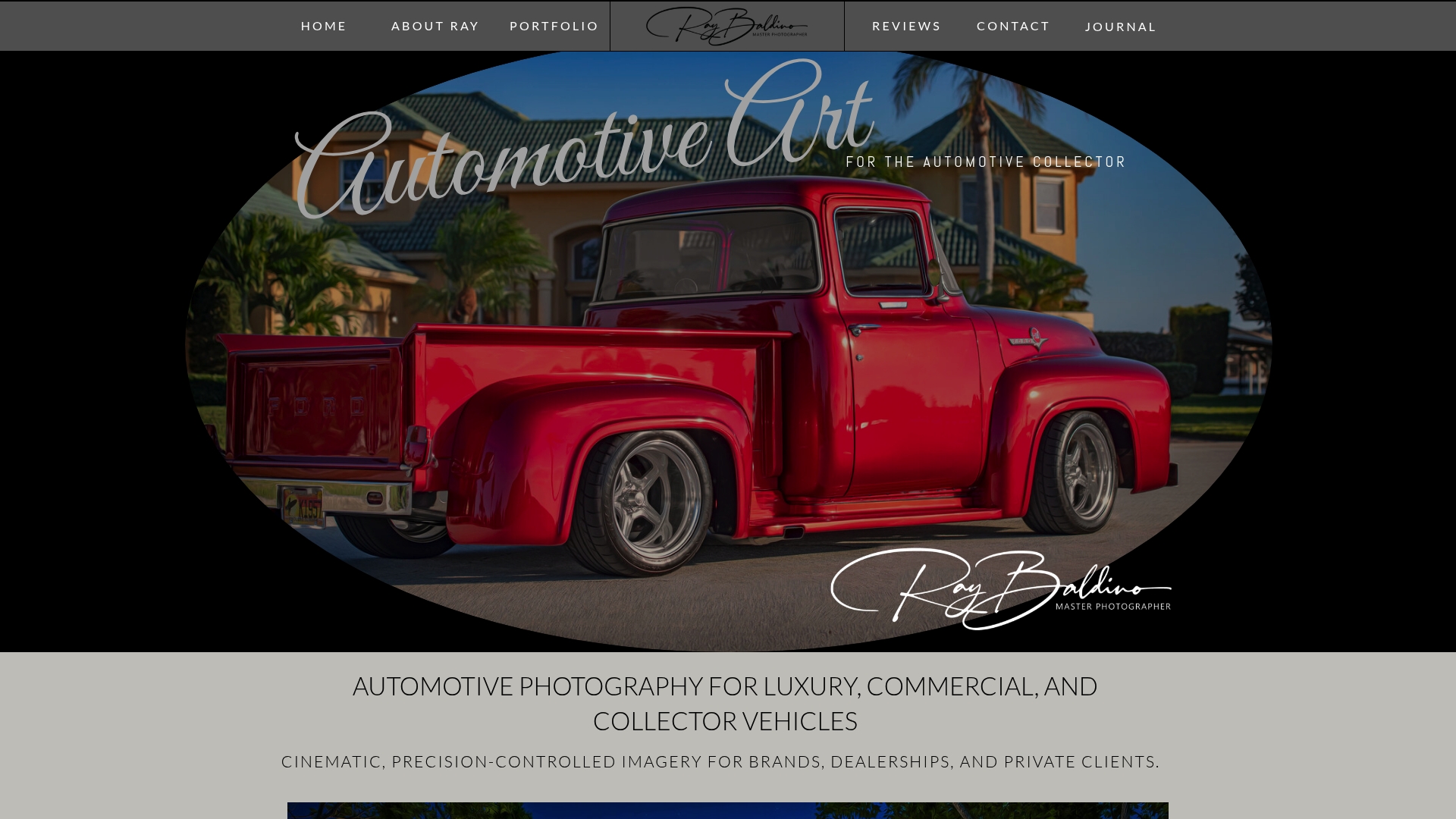
Baldinoautomotive works with dealerships, private collectors, and commercial clients who need professional automotive images that hold up across every listing platform and every vehicle in your inventory. Whether you manage a luxury franchise or a high-volume pre-owned operation, the studio offers customized packages built around your photo count requirements, turnaround expectations, and DMS integration needs. Explore the full range of dealership photography services and see what consistent, award-winning imagery does for your listings.
FAQ
How many photos does a dealership need per vehicle?
The industry minimum is 20 custom photos per vehicle, with 30 to 40 recommended for maximum vehicle detail page performance. Listings with multiple custom images can see VDP views increase by up to 349% compared to stock photos.
What does it cost to hire a car photographer for a dealership?
Pricing structures typically include a setup fee plus a per-image or per-vehicle rate, with the exact amount varying by location, volume, and service scope. Negotiating a monthly volume minimum with your vendor usually reduces the effective per-vehicle cost.
Should I hire an in-house photographer or outsource?
High-volume dealerships with steady inventory often find in-house photography more cost-effective over time, while smaller operations benefit from outsourcing to avoid equipment and staffing overhead. The right answer depends on your monthly unit volume and your ability to standardize an internal workflow.
What is a video walkaround and do I need one?
A video walkaround is a 60-second video showing a vehicle’s exterior, interior, and engine start, and it increases buyer inquiries by four times compared to photo-only listings. It is now a baseline expectation for serious buyers, not an optional upgrade.
What should I look for in an automotive photographer’s portfolio?
Look for consistency across hundreds of vehicles, not just a handful of showcase images. Uniform backgrounds, consistent lighting, and clean compositions across an entire inventory catalog indicate a photographer with a repeatable production process.

