
What Is Lifestyle Automotive Photography: A Creative Guide
June 3, 2026
Lifestyle automotive photography is defined as the practice of capturing vehicles within real-world environments to communicate the story, culture, and emotion a car represents. Unlike studio-based commercial work, this genre places the car inside a living narrative. The setting, the light, the people nearby, and even the road itself become active elements in the frame. Photographers like Ray Baldino at Baldinoautomotive have built entire careers around this distinction, understanding that a car photographed in its natural context carries far more emotional weight than one shot against a white backdrop. This guide breaks down the techniques, planning, and creative thinking behind the style.
What is lifestyle automotive photography and why does it matter?
Lifestyle automotive photography captures cars in real-world environments to integrate the vehicle’s story with its surroundings. The result communicates where a car belongs and the lifestyle it represents, making it the dominant format for enthusiast magazines, editorial features, and brand campaigns targeting culture-conscious buyers. This is not simply car culture photography with a scenic backdrop. The environment is a co-author of the image, not a decoration.
The distinction matters because audiences respond differently to context. A Porsche 911 parked on a rain-slicked coastal road at dusk tells a story about freedom, precision, and solitude. The same car on a white studio floor tells you its paint color. Avoiding traditional glossy car photos by embedding vehicles in relatable journeys creates deeper audience connection, and that connection is what separates memorable imagery from forgettable product shots.
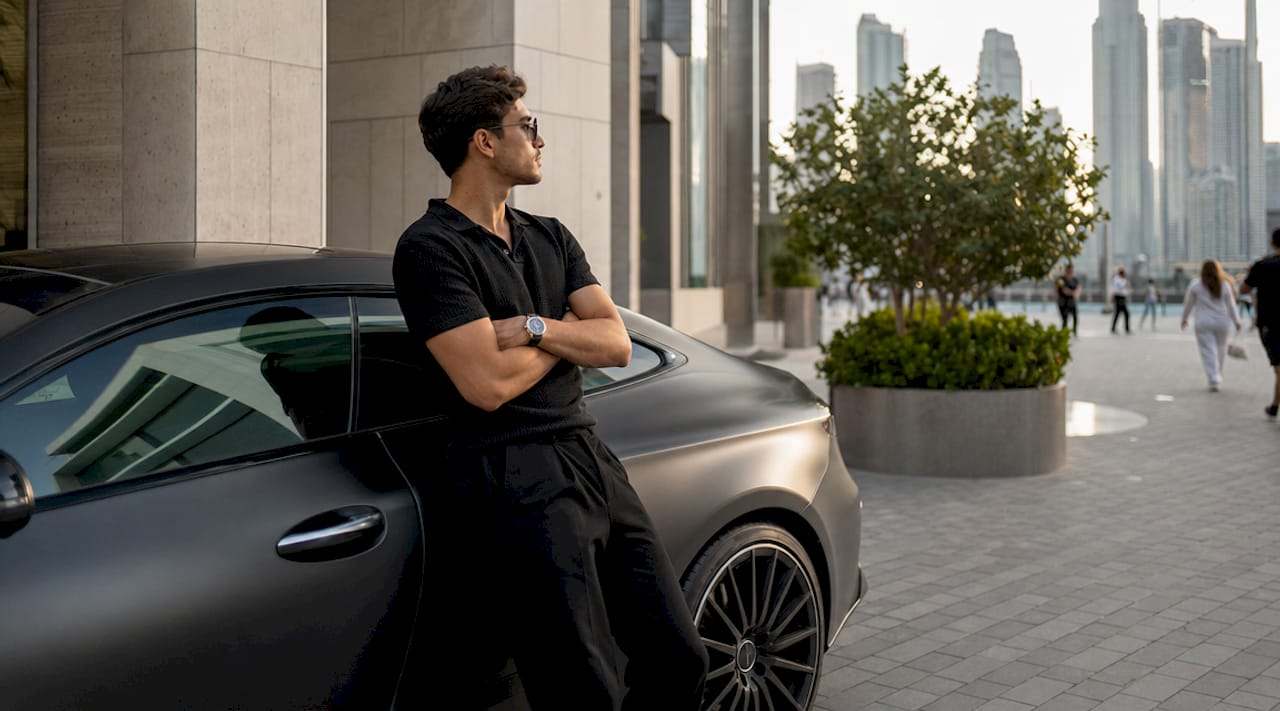
Authenticity differentiates lifestyle automotive photography from typical commercial car work, appealing strongly to younger, culture-conscious demographics. Photographer Mirko Westerbrink describes the style as favoring “street-level honesty,” drawing references from fashion, film, and hip-hop culture to connect the car with feeling. That cross-disciplinary influence is what gives the genre its visual range.
How does lifestyle automotive photography differ from traditional car photography?
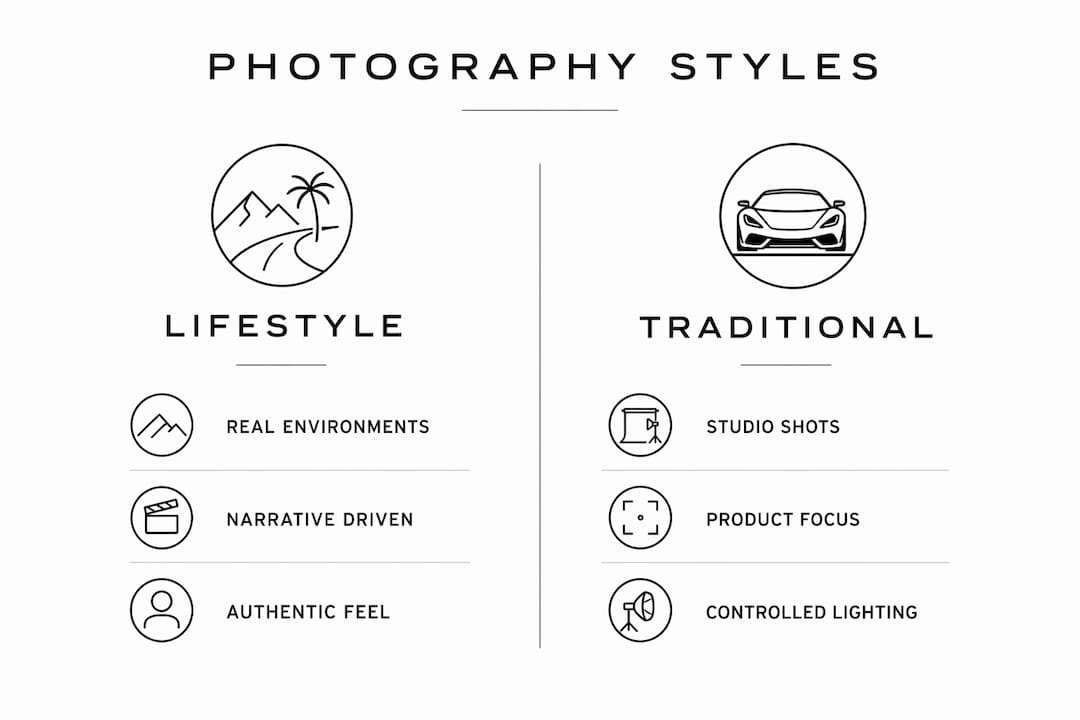
Traditional automotive photography prioritizes the vehicle as a product. The goal is controlled perfection: even lighting, neutral backgrounds, and technical accuracy that serves a dealership listing or a manufacturer’s press kit. Lifestyle car photography inverts that priority. The car is still the subject, but the image is built around a story first.
Here are the core differences between the two approaches:
- Setting: Traditional shoots use studios, turntables, or controlled outdoor locations with minimal distractions. Lifestyle shoots use roads, urban environments, desert highways, mountain passes, and anywhere the car’s character feels at home.
- Lighting: Studio work relies on artificial lighting rigs for total control. Lifestyle automotive imagery favors natural light, particularly golden hour, to create warmth and mood that artificial setups rarely replicate.
- Human presence: Traditional car photography almost never includes people. Lifestyle shoots frequently incorporate drivers, passengers, or bystanders to ground the vehicle in a human moment.
- Gear philosophy: Commercial studio work often involves large lighting systems, cranes, and post-production compositing. Minimal gear and avoiding flashes maintain the lifestyle and editorial vibe that makes this genre feel authentic.
- Emotional goal: A studio shot answers “What does this car look like?” A lifestyle image answers “What does it feel like to own and drive this car?”
Lifestyle automotive imagery blends commercial work with editorial storytelling showing vehicles in their element, whether on road trips, test tracks, or everyday urban scenes, highlighting human connections. That blend is what makes the format so versatile for both editorial and brand use.
What are the best techniques for automotive lifestyle photography?
Strong lifestyle automotive photography starts before you touch the camera. Composition in lifestyle automotive imagery is driven primarily by environment and location, not just the car’s features. Scout your location first, identify the light direction, and then position the car to complement what the environment already offers.
Camera settings and lens choices
The aperture range of f/5.6 to f/8 delivers a sharp car with a softened but still readable background. This is the working range for most environmental shots where you want the setting to read clearly without competing with the vehicle. For portrait-style lifestyle work near the car, 85mm and 35mm primes are the standard choices. The 85mm compresses the background beautifully and flatters both the car’s proportions and any human subjects in the frame. The 35mm gives you a wider field of view that works well for tight urban environments or interior-adjacent shots.
For cinematic lifestyle portraits, drop to f/1.4 or f/2.0. At those apertures, the background dissolves into color and shape, and the car or subject reads as the clear focal point. This is the setting that produces images that feel more like film stills than product photography.
Using natural light to your advantage
Golden hour lighting, about 30 minutes before sunset, gives warm, directional light with long shadows that accentuate a vehicle’s body lines and surface detail. Natural light is often sufficient for lifestyle automotive photography, and chasing golden hour is one of the highest-return habits you can build as a photographer in this genre.
Backlighting is another tool worth mastering. Positioning the car so the setting sun hits from behind creates a rim of warm light around the vehicle’s silhouette. Combined with a wide aperture, this produces the cinematic, non-commercial look that defines the best lifestyle automotive work.
Pro Tip: Shoot a test frame of just the location before the car arrives. This forces you to evaluate the light, leading lines, and composition on their own terms, so you are not making those decisions under pressure once the vehicle is in position.
Framing and composition
- Identify natural leading lines in the location. Roads, fences, train tracks, and building edges all draw the eye toward the car when used correctly.
- Position the car so its strongest angle faces the primary light source.
- Open the car’s door to a 45-degree angle when shooting three-quarter front views. This breaks the rectangular silhouette and adds visual interest.
- Use foreground elements like grass, gravel, or architectural details to add depth and frame the vehicle naturally.
- Vary your shooting height. Low angles make cars look powerful and grounded. Eye-level shots feel documentary and intimate.
How to plan and direct lifestyle automotive shoots that tell authentic stories
Planning is where lifestyle automotive photography separates itself from casual car photography. Planning and research are critical to create a cohesive narrative aligned with car and location context. A well-planned shoot has a clear emotional target before the first frame is captured.
Effective pre-shoot planning covers these areas:
- Car research: Understand the vehicle’s history, cultural associations, and the audience it was designed for. A Land Rover Defender carries different cultural weight than a Ferrari Roma, and the location, wardrobe, and props should reflect that difference.
- Location scouting: Choose locations that resonate with the vehicle’s story. Desert roads suit trucks and off-road vehicles. Coastal highways suit sports cars. Urban parking structures suit modified street cars.
- Wardrobe and props: Aligning wardrobe, props, and location with the car’s cultural story and the audience’s lifestyle greatly increases emotional impact. A road trip shoot for a Subaru Outback might include camping gear, worn boots, and a topographic map. These details make the image feel lived-in.
- Human elements: Decide early whether the shoot includes people and what role they play. Are they driving? Leaning against the car? Walking away from it? Each choice changes the emotional reading of the image.
- Narrative moments: Plan specific moments rather than generic poses. “Driver checking a paper map at a crossroads” is a scene. “Person standing next to car” is not.
Lifestyle automotive storytelling requires art direction to stage elements and thematic storytelling rather than purely documentary shooting. The best lifestyle automotive photographers think like film directors: every element in the frame is a deliberate choice.
What are the common challenges in lifestyle automotive photography?
The biggest technical challenge in lifestyle car photography is reflection management. Car paint and glass are mirrors. Every building, cloud, and tree in the environment shows up on the car’s surface. Repositioning the car and camera are the primary tools for removing unwanted reflections. There is no shortcut. You move the car, you move yourself, and you check the result.
Changing natural light is the second major challenge. Golden hour lasts roughly 30 minutes, and the quality of light shifts every few minutes within that window. Shoot your hero frames first, before the light changes, and use the remaining time for variations and detail shots.
Keeping both the car and its environment visually balanced requires deliberate exposure decisions. Expose for the car’s midtones and let the background fall where it falls. If the background is significantly brighter, use a graduated neutral density filter or plan to shoot when the light is more even, such as overcast conditions, which produce soft, diffused light that works well for darker-colored vehicles.
Pro Tip: For glossy black or dark-colored cars, overcast days are often better than golden hour. The soft, even light eliminates harsh reflections and reveals surface detail that direct sunlight would blow out.
The subtler challenge is maintaining authenticity without losing visual quality. Over-directing a lifestyle shoot produces images that look staged and commercial, which defeats the purpose. The solution is to plan the structure but leave room for genuine moments within it.
Key takeaways
Lifestyle automotive photography is most effective when environment, light, and narrative are planned together before the camera is raised.
| Point | Details |
|---|---|
| Environment drives composition | Scout the location first and position the car to complement the setting, not the other way around. |
| Golden hour is your best tool | Shoot 30 minutes before sunset for warm, directional light that accentuates body lines and creates mood. |
| Lens choice shapes the story | Use 85mm primes for cinematic compression and 35mm for environmental context in tighter spaces. |
| Planning creates authenticity | Align wardrobe, props, and location with the car’s cultural story to produce images that feel lived-in. |
| Reflection control is non-negotiable | Reposition the car and camera to manage reflections. No filter or editing replaces this step. |
Why lifestyle automotive photography changed how I see cars
After 35 years behind a camera and more than 550 magazine covers, the images I return to most are not the technically perfect studio shots. They are the ones where something real was happening around the car. A Lamborghini Huracán photographed at the edge of a salt flat at dusk, with the light going orange and the horizon perfectly flat, tells you something about speed and solitude that no white-background image ever could.
What I have learned is that technical precision and creative freedom are not opposites. You need both. The discipline to manage reflections, nail your exposure, and choose the right focal length is what gives you the freedom to chase the light and direct a scene with confidence. Photographers who skip the technical foundation end up chasing luck. Photographers who master it get to chase meaning.
The mistake I see most often from emerging photographers is treating the car as the only subject. The car is the protagonist, but every great story needs a world for the protagonist to inhabit. When you start building that world intentionally, through location, light, props, and human presence, the images start to feel like they were discovered rather than constructed. That is the standard worth working toward.
I also want to push back on the idea that lifestyle automotive photography requires expensive gear or elaborate production. Some of my most resonant work has come from a single prime lens, available light, and a location I found by driving around for an hour. The investment is in your eye and your planning, not your equipment list.
— Ray
How Baldinoautomotive brings lifestyle automotive photography to life
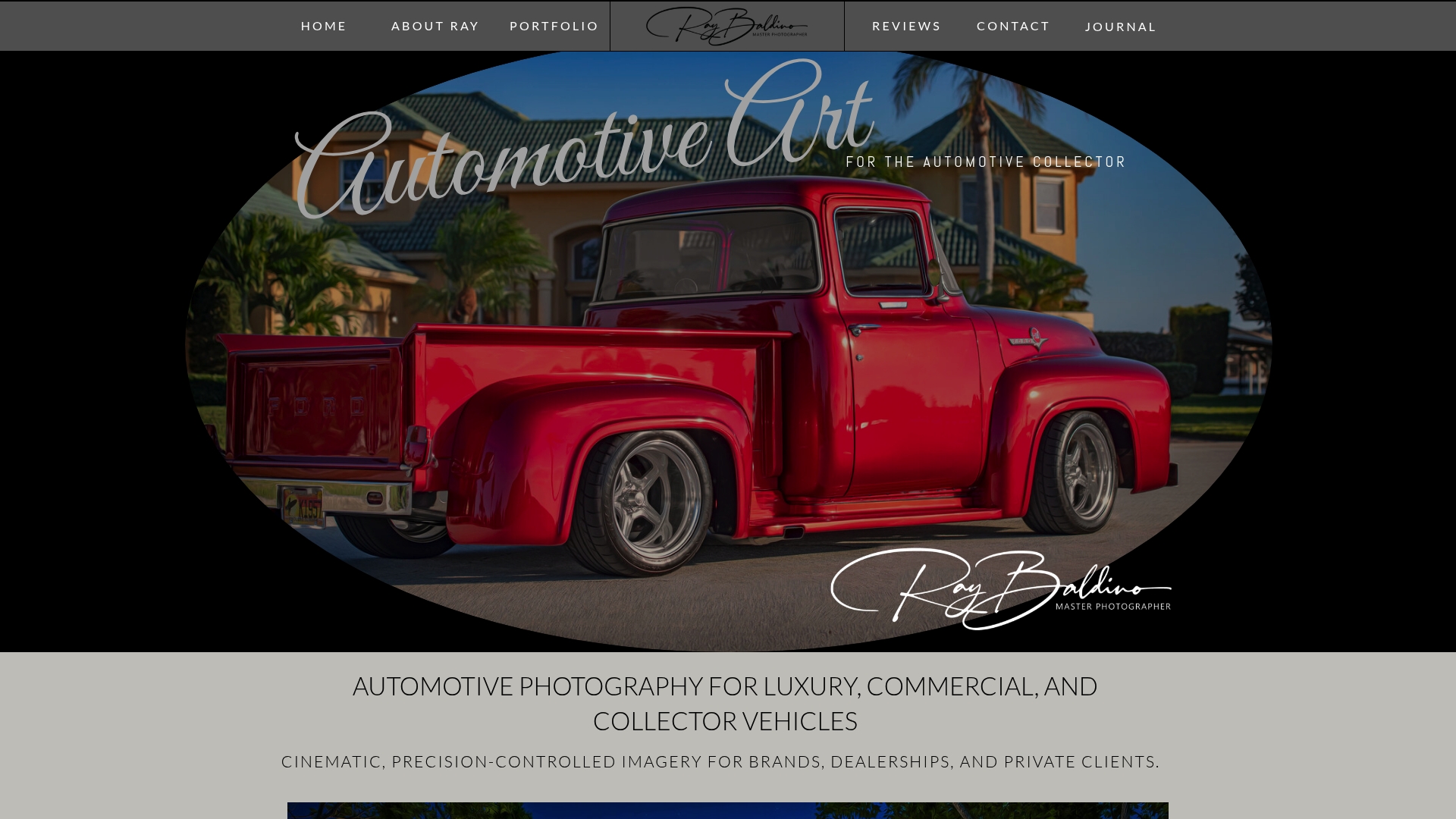
Baldinoautomotive specializes in exactly this kind of work. Led by Ray Baldino, a Master Photographer certified by the Professional Photographers of America with over 35 years of experience, the studio produces luxury automotive imagery for dealerships, private collectors, and commercial clients who understand that great photography sells vehicles before a buyer ever sits in one. Every shoot is built around deliberate art direction, location selection, and lighting strategy that places the vehicle in a world that reflects its character. If you are looking for professional lifestyle and luxury car photography that goes beyond standard listing shots, explore the full range of services at Baldinoautomotive and see what purposeful automotive storytelling looks like in practice.
FAQ
What is the difference between lifestyle and commercial car photography?
Lifestyle automotive photography places vehicles in real-world environments to tell a story about culture, emotion, and context. Commercial car photography prioritizes technical accuracy and controlled lighting for product display purposes.
What camera settings work best for lifestyle car photography?
Use f/5.6 to f/8 for sharp environmental shots and f/1.4 to f/2.0 for cinematic portrait-style frames near the vehicle. Golden hour natural light is the preferred source for most lifestyle automotive work.
Do I need expensive gear for lifestyle automotive photography?
No. A 35mm or 85mm prime lens and available natural light are sufficient for strong lifestyle automotive imagery. Minimal gear actually supports the authentic, editorial feel the genre requires.
How do I handle reflections on glossy car surfaces?
Reposition the car and your camera angle until unwanted reflections are removed from the frame. Overcast light reduces harsh reflections on dark-colored vehicles and is often preferable to direct sunlight.
How important is location scouting for lifestyle automotive shoots?
Location scouting is the single most important pre-shoot step. The environment defines the narrative, so choosing and understanding your location before the car arrives determines the quality of the final image.

