
Professional Photography’s Role in the Car Community
June 18, 2026
Professional automotive photography is defined as the disciplined practice of capturing vehicles with controlled lighting, precise composition, and technical mastery to serve both commercial and cultural purposes. The role of professional photography in car community spaces goes far beyond documentation. It frames vehicles as cultural icons, investment assets, and visual stories that connect enthusiasts, collectors, and buyers across every platform. Figures like Ray Baldino of Baldinoautomotive, with over 35 years of experience and more than 550 magazine covers, and photographers like Larry Chen have demonstrated that a single image can shape how an entire community values a car.
How does professional automotive photography drive sales and engagement?
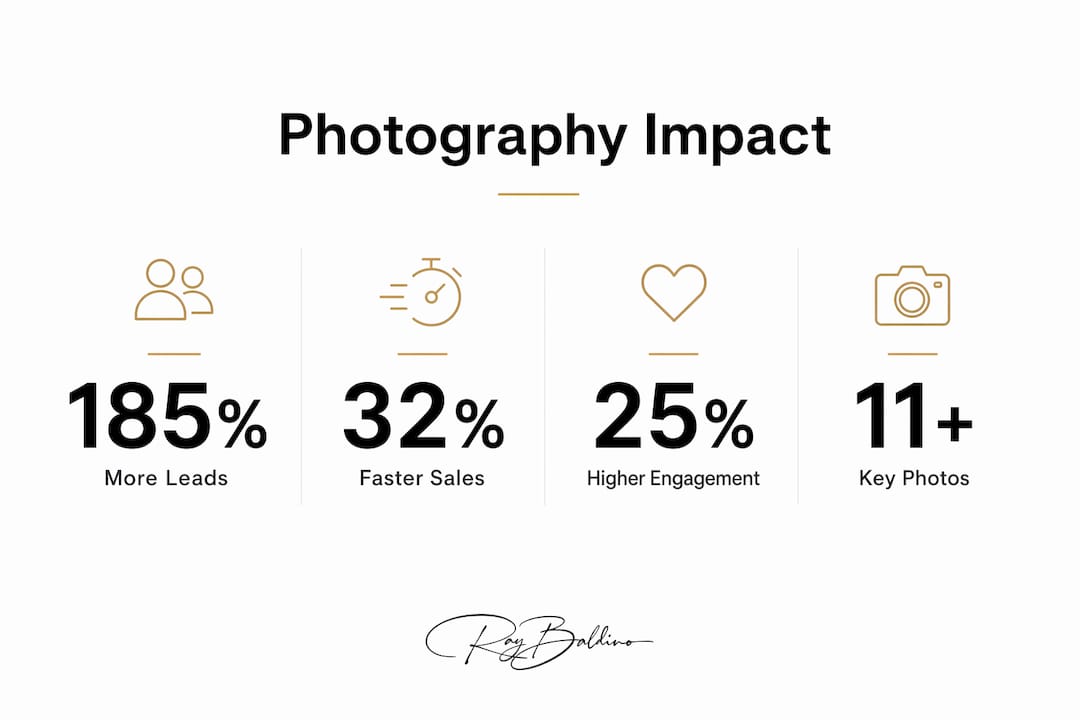
Professional imagery is the single most measurable commercial force in automotive sales today. Listings with 11+ professional photos yield 205% more views and 185% more leads than listings with fewer images. That is not a marginal gain. It is the difference between a car sitting on a lot and one that generates serious buyer interest within days.
The numbers at the auction level are equally compelling. High-fidelity photo sets see 20–25% more engagement and justify higher reserve prices for enthusiast listings. Top-quartile photo quality listings receive 40% more vehicle detail page views on average. Buyers who see a comprehensive, well-lit gallery arrive at the table with fewer doubts and stronger intent to purchase.
Speed matters too. Vehicles with professional photos sell 32% faster than those shot with amateur photography. Dealers who integrate consistent angles, controlled lighting, and video walk-arounds reduce condition-related inquiries and move inventory faster. Treating photography as an afterthought is a measurable financial mistake.
Here is a quick comparison of what professional photography delivers versus amateur work:
| Metric | Amateur Photography | Professional Photography |
|---|---|---|
| VDP Click-Through Rate | Baseline | Up 133% (new) / 349% (used) |
| Listing Views | Baseline | Up 205% with 11+ photos |
| Lead Generation | Baseline | Up 185% |
| Days to Sale | Longer | 32% faster |
| Auction Engagement | Baseline | Up 20–25% |
Key commercial benefits of professional automotive photography include:
- Higher click-through rates on vehicle detail pages for both new and used inventory
- Increased bidder confidence at collector car auctions through comprehensive galleries
- Reduced buyer negotiation leverage when transparency through galleries is established
- Fewer condition-related inquiries, freeing up sales staff time
- Stronger price realization at private sales and public auctions
Pro Tip: When preparing a listing, commission a photo set that covers all four exterior corners, the engine bay, interior surfaces, and any wear points. Incomplete sets raise buyer suspicion and invite lowball offers.
How does photography preserve car culture for future generations?
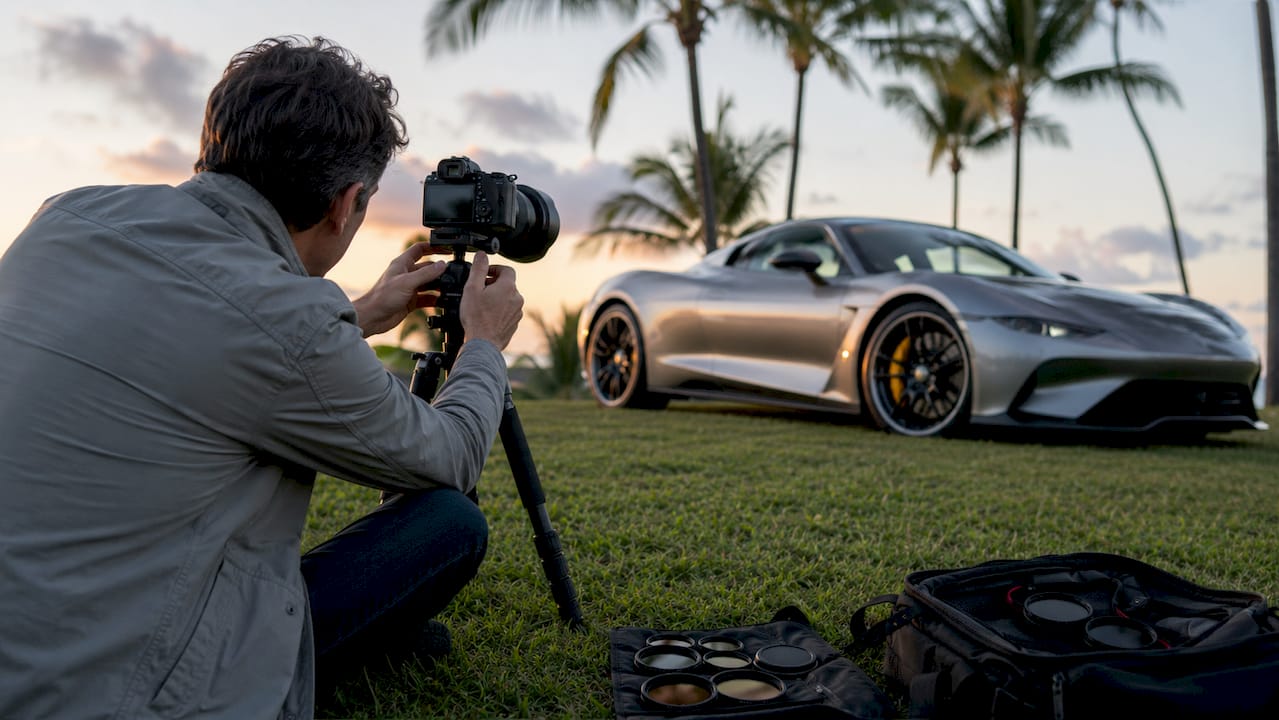
Professional photography functions as a historical archive for the car community. It does not just record what a car looks like. It captures the atmosphere, the community, and the moment in time that made a particular build or event significant.
Photographer Larry Chen describes this mission precisely. He frames his work as curating these years for future generations, preserving the mechanical DNA of cars beyond static images. A photograph of a 1970 Dodge Challenger at a Woodward Dream Cruise is not just a car photo. It is a document of community, craftsmanship, and cultural identity at a specific moment.
“Photos provide mechanical ‘insurance’ that transcends fashion or trends by documenting cars as cultural artifacts for enthusiasts decades later.” — Larry Chen and Pennzoil, Car and Driver
The photographers who contribute most to this archive understand that capturing the vibe matters as much as capturing the vehicle. A shot of a Porsche 911 RS in a garage tells one story. A shot of that same car surrounded by its owner, their crew, and the tools of a weekend build tells a far richer one. That context is what bridges community gaps and connects future enthusiasts to present automotive culture.
Three ways professional photographers serve as cultural custodians:
- Documenting events such as SEMA, Pebble Beach Concours d’Elegance, and Goodwood Festival of Speed with images that outlast any single news cycle
- Archiving builds at every stage, from bare chassis to finished vehicle, creating a visual record of craftsmanship that owners and historians can reference for decades
- Capturing community by photographing the people, the gatherings, and the shared rituals that define car culture beyond the machines themselves
The car preservation workflow that serious collectors follow increasingly includes professional photography as a standard step, not an optional add-on. A car without a documented visual history is harder to authenticate, harder to sell, and harder to appreciate fully.
What technical discipline separates professional car photography?
Professional automotive photography is 90% technical discipline and 10% creative vision. That ratio comes directly from working photographers who have shot for major publications and manufacturers. The creative eye matters, but it cannot compensate for poor lighting control, unmanaged reflections, or a dirty surface.
Rigorous preparation defines professional automotive shoots. Surface cleaning with products like Mr. Muscle and mineral water is standard practice before a single frame is captured. Paint must be free of water spots, fingerprints, and dust. Even a small smudge on a dark metallic finish becomes a distraction in a high-resolution image.
The technical elements that separate professional work from hobbyist photography include:
- Lighting control: Overcast days, large diffusion panels, or purpose-built studios eliminate harsh shadows and unwanted reflections on curved body panels
- Reflection management: Positioning the camera and light sources to avoid capturing the photographer, equipment, or surroundings in the vehicle’s finish
- Paint knowledge: Dark colors like Midnight Blue or Obsidian Black require different lighting angles than white or silver finishes to show body lines accurately
- Angle consistency: Shooting from a fixed height and distance for every vehicle in a series creates a professional, catalog-quality presentation
- Environment selection: The background must complement the vehicle without competing with it. A Ferrari 488 in front of a cluttered parking lot loses its visual authority immediately
Pro Tip: Shoot exotic and performance vehicles in the early morning or late afternoon when natural light is soft and directional. Midday sun creates specular highlights that flatten body lines and wash out paint depth.
Baldinoautomotive applies this level of technical discipline to every shoot. Ray Baldino’s certification from the Professional Photographers of America reflects a commitment to standards that most hobbyists and many commercial photographers do not meet. Understanding how automotive photography works at this level is what produces images that appear on magazine covers rather than just social media feeds.
How can enthusiasts and content creators use professional photography?
Car enthusiasts and automotive content creators do not need to choose between professional imagery and personal authenticity. The most effective approach combines both. Professional photos establish credibility and visual quality. Personal, behind-the-scenes images build connection and community trust.
Here is a practical framework for integrating professional photography into your content:
- Commission a professional shoot for hero images. Use these for YouTube thumbnails, Instagram profile features, event announcements, and any content that represents your brand at its highest level. These images carry the weight of first impressions.
- Use professional event coverage strategically. At shows like SEMA or Cars and Coffee events, professional photographers capture moments you cannot get while you are participating. License or collaborate with photographers to use their event images with proper credit.
- Understand licensing before you post. Professional images are intellectual property. Always confirm usage rights before publishing someone else’s work. Most photographers offer licensing agreements for social media, editorial, and commercial use at different price points.
- Blend personal and professional content deliberately. A polished studio shot of your build paired with a candid phone photo from the garage creates contrast that holds audience attention. Neither format alone tells the complete story.
- Invest in professional photography for milestone moments. A completed restoration, a new acquisition, or a competition win deserves documentation that matches the significance of the event. Phone photos do not carry that weight.
The impact of professional photos on social media engagement is direct. High-resolution, well-composed images consistently outperform casual snapshots in reach and saves on platforms like Instagram. The role of imagery in car communities on social media has shifted from supplementary to foundational. Your images are your credibility.
Key takeaways
Professional automotive photography is a commercial and cultural discipline that directly determines how vehicles are valued, sold, and remembered within the car community.
| Point | Details |
|---|---|
| Commercial impact is measurable | Professional photos increase leads by 185% and help vehicles sell 32% faster than amateur images. |
| Cultural preservation requires intent | Photographers like Larry Chen document events, builds, and community to create archives future enthusiasts can access. |
| Technical discipline drives results | Lighting control, surface prep, and reflection management separate professional work from hobbyist photography. |
| Content creators benefit from both formats | Combining professional hero images with personal behind-the-scenes content builds credibility and community connection. |
| Incomplete galleries cost money | Comprehensive photo sets with 100–150 images reduce buyer skepticism and increase auction bidder confidence. |
What 35 years behind the lens taught me about car photography
After 35 years shooting luxury, exotic, and performance vehicles, I can tell you that the biggest misconception in this field is that photography is about the camera. It is not. The camera is the last variable. The first variables are preparation, light, and understanding what the vehicle is trying to say.
I have watched enthusiasts spend months on a restoration and then photograph the finished car in a driveway at noon with a phone. That image does not honor the work. It diminishes it. The car deserves the same discipline that went into building it.
What I have also observed is that the car community responds to authenticity in imagery. A technically perfect photo that feels sterile does not connect. The best automotive images I have made carry both precision and atmosphere. You can see the craftsmanship in the paint, and you can feel the context of where that car belongs in the world.
The photographers who shape car culture understand that their work is not finished when the shutter closes. It is finished when the image tells the complete story of the vehicle, the builder, and the moment. That is the standard worth pursuing.
— Ray Baldino
Bring your vehicle’s story to life with Baldinoautomotive
Baldinoautomotive delivers the technical precision and artistic discipline that luxury, exotic, and performance vehicles demand. Whether you are a dealership looking to reduce inventory turnaround time, a private collector documenting a significant build, or a content creator who needs images that command attention, Ray Baldino brings 35 years of mastery to every shoot. His work has appeared on more than 550 magazine covers, and his certification from the Professional Photographers of America backs every session with verifiable professional standards. Explore automotive photography services built for vehicles that deserve more than a snapshot, or learn how to hire a dealership photographer who treats your inventory as the asset it is.
FAQ
How does professional photography affect car auction results?
High-fidelity photo sets generate 20–25% more engagement at enthusiast auctions and justify higher reserve prices. Comprehensive galleries covering 100–150 images increase bidder confidence by showing full transparency across all wear-prone areas.
What makes automotive photography different from general photography?
Automotive photography requires specific knowledge of paint properties, reflection control, and vehicle-specific lighting angles. 90% of success comes from technical discipline, including surface preparation and environment management, rather than creative instinct alone.
Why do professional photos help vehicles sell faster?
Professional photos reduce condition-related buyer inquiries and establish visual transparency that builds purchase confidence. Vehicles with professional imagery sell 32% faster than those photographed by amateurs, directly reducing carrying costs for sellers and dealers.
How many photos should a professional car listing include?
A professional listing should include at least 11 photos to maximize views and leads, with high-end and auction listings benefiting from 100–150 image galleries that cover all exterior angles, the interior, engine bay, and wear points.
Can hobbyist photographers benefit from studying professional automotive techniques?
Yes. Understanding lighting control, reflection management, and surface preparation improves any photographer’s results regardless of equipment. Studying how professionals approach vehicle types requiring specialized photography builds a technical foundation that phone cameras and entry-level DSLRs can both benefit from.
Recommended
- Vehicle Types That Demand Specialized Photography
- How Automotive Photography Works Explained for Photographers

