
July 2, 2026
Editor's Note
At Baldino Automotive, we believe extraordinary automobiles deserve extraordinary stories. Some stories are told through photography. Others are shared through the people who own, restore, preserve, and drive them. This journal is dedicated to both.
What Car Detailing Really Does for Your Vehicle's Value
Every automobile tells a story. Some stories are measured in miles. Others are measured in memories. Regardless of whether you own a Ferrari, a vintage Porsche, or the family SUV you've cared for for ten years, proper detailing isn't simply about making a vehicle shine-it's about preserving something you value.

Behind the Lens
As an automotive photographer, I spend hours studying reflections, body lines, paint quality, and surface imperfections. One thing I've learned is that a properly detailed automobile photographs differently. Crisp reflections reveal the sculpted design of the bodywork, while neglected paint hides the very details the designers intended to showcase. Some of the finest automobiles I've photographed needed very little adjustment in post-production because the vehicle had been meticulously prepared before the camera ever came out.
What Car Detailing Actually Involves
Many people assume "detailing" is just a fancier car wash. In my experience, that misconception is the single biggest reason cars lose value faster than they should.
Exterior Detailing
Exterior detailing focuses on getting the exterior of your car clean and shiny and looking like new. It typically includes hand washing, "claying" (a process where detailing clay is pressed and rubbed over the paintwork to remove additional dirt), as well as polishing and waxing. This keeps your car looking in mint condition and protects the finish from chips, rust, and fading.
These services provide benefits such as protecting paintwork from scratches and corrosion, improving interior hygiene, preserving vehicle aesthetics, and extending the life of components. That last point is crucial: detailing extends the life of your car, not just its looks.
Interior Detailing
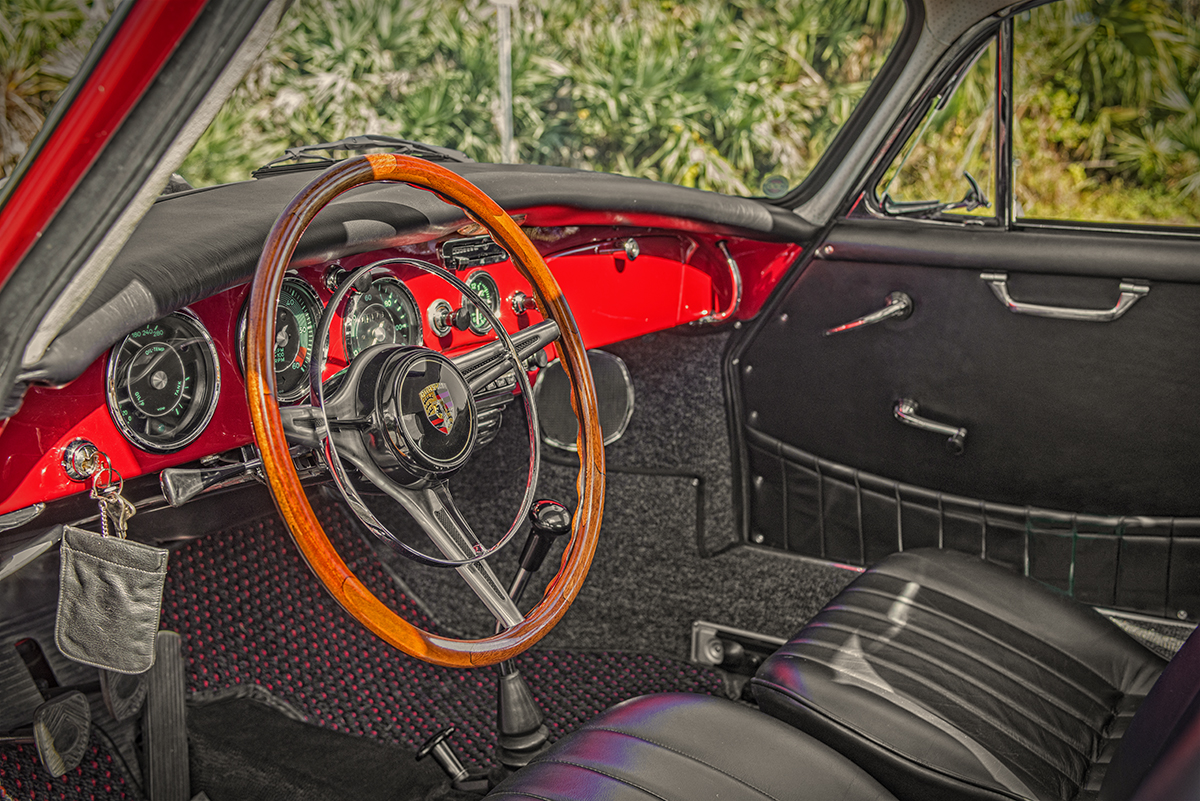
Interior detailing involves vacuuming, shampooing carpets, conditioning leather, and thoroughly cleaning all surfaces. Dust, dirt, spilled drinks, and everyday grime build up quickly. Without proper cleaning, bacteria, allergens, and odors can linger in your seats, carpets, and vents. A fresh interior isn't just pleasant; it signals to future buyers that the vehicle was genuinely cared for.
Pro Tip: Our rule of thumb for interior cleaning is to increase your frequency if you're unsure whether you're detailing often enough. If you often carry kids, pets, or work gear, increase that frequency, prevention is always easier than repair.
Advanced Protective Services
Services like ceramic coating and paint protection film (PPF) help protect your car's paint from environmental damage, UV rays, and minor scratches. These are not luxury add-ons. They are long-term investments that reduce the total cost of car ownership by preventing paint correction bills and interior restoration down the road.
How Detailing Protects Your Resale Value
Most owners don't think about resale value until they're standing at a dealership receiving a trade-in offer. By then, years of neglected maintenance and detailing have already influenced the vehicle's condition and perceived value.
A vehicle's condition reflects the owner's stewardship. Long before a buyer reviews maintenance records or an inspection report, appearance shapes first impressions. A professionally detailed automobile communicates care, attention, and pride of ownership.
Pro Tip: Pre-sale detailing is one of the highest-ROI applications of professional service. A trained detailer brings the vehicle to its best possible presentation efficiently and completely. Book it at least a week before you list, so the finish has time to settle.

Professional vs. DIY Detailing
The Case for Professional Detailing
Advantages of Professional Detailing:
-
Professionals use industrial-grade tools and premium-quality products that provide better results than regular store-bought cleaning supplies.
-
Another significant advantage is the peace of mind that comes with hiring professionals who often back their services with warranties or guarantees. This assurance means if something goes wrong after the job is completed, you have recourse.
-
By leaving the job to the professionals, you save time and effort, especially valuable for those with busy schedules who need their car detailed quickly and efficiently.
-
Catches problems early: Regular detailing helps catch potential problems early. For instance, a detailed inspection during the cleaning process might reveal a leak or a worn part that needs replacing. Addressing these issues early can prevent costly repairs down the line.
Limitations of Professional Detailing:
-
A complete professional detailing job can range from $150 to $300 per session.
-
Requires scheduling in advance, which can be inconvenient for busy individuals.
The Case for DIY Detailing
Advantages of DIY Detailing:
-
DIY car detailing allows you to work on your own schedule. You can choose the time and place that best suits you, making it a convenient option for those with busy lifestyles.
-
DIY detailing allows you to tailor the process to suit your vehicle's unique needs. You have absolute control over every product used, from eco-friendly cleaners to specialized waxes, and the amount of time spent on different areas requiring special care.
Limitations of DIY Detailing:
-
Achieving professional-grade results requires a certain level of skill and knowledge. Without the proper techniques, you might end up with swirl marks on your car's paint, or worse, cause damage to the interior or exterior surfaces.
-
Even a basic DIY detail can take 3 to 6 hours, and more for a thorough job.
-
Ceramic coating installation is not a reasonable DIY project for most car owners. Proper prep requires complete decontamination, paint correction, and application in controlled conditions. A coating applied over contaminated or uncorrected paint fails early.
The bottom line: DIY maintenance washes make sense between professional visits. For paint correction, ceramic coatings, and pre-sale preparation, a professional like the team at Baldino Automotive delivers results that protect your investment over the long term.
Common Car Detailing Mistakes to Avoid
What actually works is consistency and avoiding the habits that undo your previous efforts.
Using the Wrong Products
pH-balanced shampoos are designed to protect your paint finish and any existing wax layers. They gently lift dirt and grime without stripping away the protective barrier you've worked hard to maintain. Dish soap and household cleaners strip protective coatings. Always use products formulated for automotive paint.
Detailing in Direct Sunlight
The wrong pad choice, the wrong product combination, too much pressure, or working in direct sunlight can burn through clear coat, create holograms, or introduce new defects. Detail in a shaded area or indoors whenever possible.
Ignoring Interior Odors
If air fresheners aren't helping deep cleaning is necessary to remove trapped smells. Odors embedded in upholstery and carpets are a significant turn-off for buyers and signal deeper neglect. Extraction cleaning requires the right equipment and technique to avoid leaving moisture in carpet and upholstery. Carpet that stays wet develops mold. Getting it genuinely clean rather than just damp takes practice.
Pro Tip: Regular detailing can lower the chances of costly repairs for paint damage, upholstery stains, or mold remediation, reducing your total cost of ownership. Prevention almost always costs less than the fix.
Final Reflection
A beautifully detailed automobile reflects more than sunlight. It reflects the pride of ownership. Whether it's a daily driver or a once-in-a-lifetime collector car, every mile tells a story. Proper detailing ensures that story continues to be told at its very best.
About the Journal
The Baldino Automotive Journal explores the craftsmanship, preservation, and stories behind extraordinary automobiles. From collector interviews and automotive photography to detailing, restoration, and industry insights, each article is written for enthusiasts who believe great automobiles deserve to be appreciated-and remembered.
Sources
-
Car Detailing Service Market Size, Precedence Research. Global market forecast and service breakdown. https://www.precedenceresearch.com/car-detailing-service-market
-
Automotive Detailing Industry Statistics 2026, Gitnux. Consumer behavior and frequency data. https://gitnux.org/automotive-detailing-industry-statistics/
-
Car Wash & Auto Detailing in the US Industry Analysis, IBISWorld. Market share and professional vs. DIY trends. https://www.ibisworld.com/united-states/industry/car-wash-auto-detailing/1695/
-
How Detailing Increases Resale Value, C&C Powerwashing. Dealership-focused detailing ROI data. https://ccpowerwashing.com/auto-detailing-for-dealerships-how-professional-detailing-increases-resale-value/
-
Does Professional Car Detailing Increase Trade-in Value?, Sparkle Armor. Value increase percentages and market data. https://sparklearmor.com/blog/does-car-detailing-increase-value/
-
How Regular Car Detailing Increases Your Resale Value, Parle Mag. Resale statistics and detailing frequency guidance. https://parlemag.com/2026/05/how-regular-car-detailing-increases-your-resale-value/
-
Professional Detailing vs DIY: What Makes More Sense?, Halo Detailing. Cost breakdown and paint safety analysis. https://halodetailing.com/professional-detailing-vs-diy/
