
July 14, 2026
The Collector Car Market Is Changing-Here's What Every Enthusiast Should Know
FROM THE GARAGE
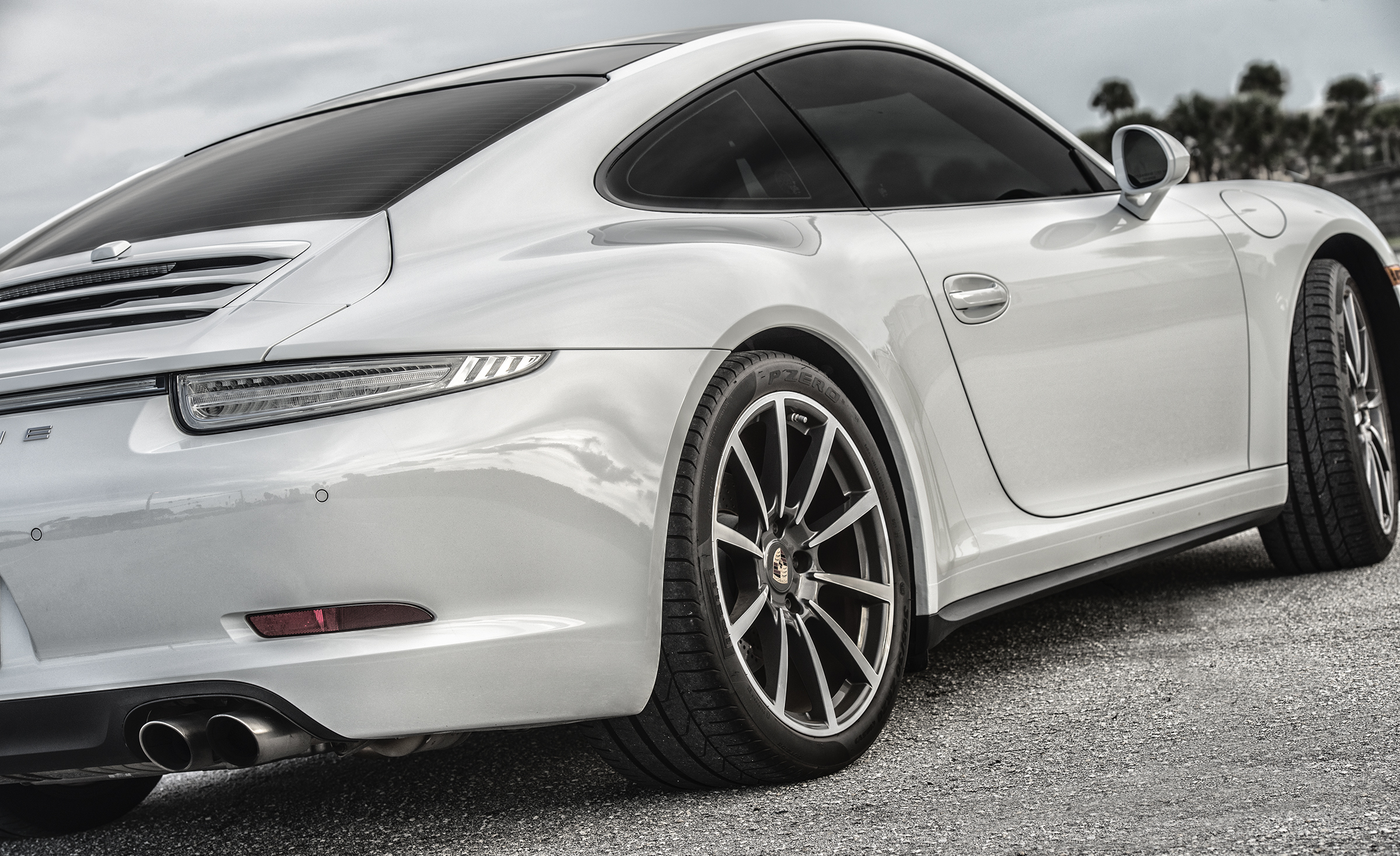
When I purchased my 2015 Porsche 911 Carrera 4S, I bought it for one reason-I loved the car.
I wasn’t thinking about appreciation or future value. I simply wanted to own and enjoy one of the finest sports cars Porsche had built, and one I had always admired.
Eleven years later, something interesting has happened.
Today, eleven years later, my Porsche is still worth nearly what I paid for it when it was new-a pleasant surprise for a car I bought simply because I loved driving it.
That doesn’t mean every collector car is an investment. Many aren’t.
But it does reinforce something I’ve learned over the years photographing exceptional automobiles and the people who own them:
“Buy the best car you can afford, buy the one you genuinely love, and take care of it.”*
-Ray Baldino*
My Porsche is just one example of a larger shift happening in today’s collector market. While not every car will hold its value as well, enthusiasts are increasingly recognizing modern performance cars-especially well-maintained, low-mileage examples-as desirable collector automobiles.
Ray Baldino’s 2015 Porsche 911 Carrera 4S. Purchased new in 2015 and still enjoyed on Florida roads more than a decade later.
Key Takeaways
- The market is growing but highly selective: Collector car values softened on average even as top-tier cars continued to post strong results, with one detailed study estimating global collector car values were down about 11% in 2025, with classic segments off by roughly 8.7%. Buy quality over quantity, every dollar you spend on an exceptional, well-documented example goes further.
- Younger buyers are reshaping demand: Hagerty says the average model year for $1M+ vehicles being sold at auction has moved up to 1984, more than a decade newer than the most popular model year from just five years ago (1972). If you own a 1980s-2000s performance car, your asset is in a rising tide.
- Online auctions are the new normal: Online auctions extended their advantage in 2025, selling more than 50,000 collector vehicles, up 6% from a year earlier. Therefore, list your car with high-quality photos and detailed documentation, online buyers make decisions on what they can see.
- Protection is non-negotiable: The average insured value of classic cars in the US reached approximately $41,000 in 2025, according to SEMA data. A standard auto policy will depreciate that value significantly in a claim, specialized coverage is a must.
Quick-Start Prioritization Framework
| Strategy | Best For | Effort Level | Time to Results |
|---|---|---|---|
| Buy a 1990s-2000s analog performance car | First-time collectors | Low | Months |
| Document and photograph your existing collection | All collectors | Low | Immediate |
| Switch to agreed-value specialty insurance | All owners | Low | Days |
| Watch auction sell-through rates before buying | Active buyers | Medium | Weeks |
| Target JDM models hitting the 25-year rule | Savvy investors | Medium | 6-12 months |
Start here if you’re:
- New to collecting: A 1990s-2000s Japanese or European performance car offers entry-level prices with strong appreciation potential and genuine driving fun.
- An existing owner: Review your insurance coverage this week, your agreed value may be out of date, leaving you underinsured right now.
- Ready to sell: Invest in professional photography and thorough documentation before listing; online buyers will pay a meaningful premium for a well-presented car.
The Generational Shift Reshaping the Collector Car Market
The biggest driver of the current collector car market is a new generation of collectors. As baby boomers age out of the market and downsize, members of Generation X, millennials, and Gen Zers are taking over and redefining the market. This change is not gradual; it is accelerating. Millennial and Gen-Z participation is growing, with some estimates showing it increasing 20% yearly via digital platforms. That means if you are sitting on a car that appeals to buyers under 45, your timing is excellent.
The Cars Younger Buyers Actually Want
Hagerty’s 2026 Bull Market List tells the other side of the story: modern enthusiast cars from the 1990s and 2000s are gaining popularity quickly, especially cars with analog appeal, manual transmissions, and limited electronic interference. The data is hard to argue with. Even the sixth-generation Honda Civic Si has seen its average condition-2 value rise to $33,400, up from $15,500 in 2016. That is more than double in a decade for a car once considered ordinary.
The 2026 Hagerty Bull Market List shifts gears into the 1990s and 2000s, showing that modern enthusiast cars are gaining popularity fast and represent the final chapter of the analog era, think modern speed and tech paired with manual transmissions and limited electronic interference. The full 2026 list, according to Hagerty’s official 2026 Bull Market announcement, includes the Chevrolet Corvette Z06 (C6), BMW M5, Porsche Carrera GT, Mazda MX-5 Miata, Nissan Skyline GT-R, Volkswagen Golf GTI VR6, Dodge Charger, and more, a cross-section spanning less than $10,000 to over $1 million.
Traditional Muscle: Still Valuable, But More Selective
The muscle car era has not faded, but buyers have grown more discerning. Top-tier examples such as Hemi Mopars, Boss Mustangs, COPO Camaros, and Yenko models continue attracting significant bids, and buyers remain willing to pay premiums for rarity, originality, and documented provenance. However, ordinary restorations and common-production muscle cars have become increasingly difficult to sell at premium prices. Bottom line: if you own a muscle car, document everything. Provenance and condition documentation are your most valuable upgrades right now.
Auction Trends Every Car Collector Needs to Understand
Mecum landed a $445 million total sales haul in Kissimmee, Florida in January 2026, a new record that doubled last year’s take. Arizona’s annual January auctions saw massive prices too, and the Amelia Island and Miami sales in March saw a combined $255.9 million, up from $195.1 million the year before. The top of the market is blazing hot. However, the picture for average cars is more nuanced.
Reading the Signals That Actually Matter
Sell-through rate, the percentage of offered cars that actually meet reserve and sell, is one of the most telling numbers in the business. A high sell-through with healthy mid-estimate results points to a confident market, while soft sell-through and bargain hammer prices suggest buyers have the leverage. Watch these aggregate figures before you buy or sell. Individual record-breaking sales make great headlines, but the aggregate tells the real story.
The Rise of Online Auctions
Since the first seven-figure online sale in 2019, there have been over 200 sales for $1M+ at online-only auctions, including 53 in 2025, and the count of $1M+ online-only sales will likely crest 70 in 2026. Serious money is moving online, and so is serious opportunity. For everyday collectors, this means your car can reach a national, or global, pool of buyers without the travel, fees, and logistics of a traditional live auction.
How to Protect Your Investment Like a Pro
In my experience, too many first-time collectors spend months researching which car to buy and then spend about ten minutes thinking about how to insure it. That is a costly mistake.
Agreed Value Coverage: The Single Most Important Decision You Will Make
The single most important distinction between collector and standard auto insurance is agreed value coverage. Unlike a traditional policy that settles claims based on actual cash value (ACV), which factors in depreciation and fluctuations in the market, an agreed value policy locks in the car’s insured value up front. The difference in a real-world claim can be staggering. A 1967 Mustang that cost $45,000 to restore might only receive $15,000 under standard coverage due to depreciation calculations.
Insurance companies offer 40% to 50% savings compared to standard auto policies because proper storage reduces theft and weather damage risks substantially. That means specialized coverage can actually cost you less than a standard policy, while delivering far more protection. Teams like Baldino Automotive understand how critical proper valuation and protection planning is for anyone serious about their collection.
Storage: The Basics That Preserve Thousands of Dollars in Value
A dead battery is the most common springtime headache for collectors. Connect a quality trickle charger or battery maintainer to keep the charge topped up without overcharging. For cars that sit through an entire winter, this single accessory will extend battery life by years.
Mice and other rodents love a quiet, sheltered car, and they can chew through wiring and upholstery in a single season. Block exhaust tips and air intakes with steel wool, set traps or deterrents around the perimeter, and avoid leaving food wrappers or fabric inside the cabin. A few minutes of prevention beats a costly wiring harness repair later.
Common Mistakes That Cost Car Collectors Real Money
I’ve found that most collector car mistakes fall into predictable patterns. Here are the ones that sting the most.
Skipping the Annual Insurance Review
Collector car values fluctuate with market trends, generational preferences, and economic conditions. As a result, some vehicles appreciate rapidly while others plateau or decline. Agents should encourage clients to review their policy annually to confirm that the agreed value still reflects the car’s current market worth. If your 2000s Japanese performance car has gained 30% in value since you last updated your policy, you are carrying that gap as uninsured risk today.
Ignoring Condition in a Condition-First Market
In 2026, expect values for the best condition and lowest-mileage cars to be stable or continue to rise while “good” and “fair” condition cars drift down, as there is no relief in sight for increasing restoration and parts costs. This means investing in professional detailing, paint correction, or mechanical attention before you list a car is a direct investment in your sale price, not an expense.
Frequently Asked Questions
What types of cars are most likely to appreciate in 2026?
Hagerty’s 2026 Bull Market List spotlights 11 vehicles positioned for significant appreciation, and the selection leans heavily toward 1990s and 2000s performance icons, machines from an era when analog driving feel met modern horsepower, but also includes key classics and luxury flagships that continue to gain traction among collectors of all ages. In practical terms, well-preserved examples with documented service histories and low mileage lead the pack in every segment.
Is now a good time to buy a collector car, or should I wait?
Today’s buyers do not feel the same pressure as during the pandemic-era run-up, and are instead being much more patient. They are waiting for the right car at the right price, and are not being swayed to settle. This is a buyer’s market for many categories. If a car on your wish list is on Hagerty’s Bull Market List, waiting could cost you, values there are already in motion.
Do I really need specialty insurance for my classic car?
Absolutely. Collector auto insurance is a specialized form of coverage designed for vintage, classic, and rare vehicles that are not used as primary transportation. Unlike standard auto insurance, these policies account for the unique value appreciation of collector cars and often include agreed-value coverage, spare parts protection, and flexible usage terms. Standard policies will depreciate your car’s value at claim time, agreed-value policies will not.
How do I know what my collector car is actually worth today?
Professional appraisals provide the foundation for proper collector car insurance, but many owners skip this step and undervalue their investments. Hagerty’s valuation tools offer market data across different condition levels, while certified appraisers charge $300 to $500 for comprehensive evaluations. Run a current valuation check at minimum once per year, and always before listing or insuring your vehicle.
Final Thoughts
Eleven years later, I still look forward to every drive. The fact that the car has retained much of its value is gratifying-but it’s not the reason I bought it. Some automobiles become more than transportation. They become part of your story.
Great automobiles aren’t defined by what they’re worth. They’re defined by the stories they create.
Sources
- Collector Car Market Reaches $4.8 Billion in 2025, CNBC / Hagerty. Classic-car auctions hit record highs. https://www.cnbc.com/2025/12/19/classic-cars-hagerty.html
- The Collector Car Market Has Shifted to Newer Cars, Forbes / Hagerty. Generational shift data and auction model-year trends. https://www.forbes.com/sites/michaelharley/2025/12/23/the-collector-car-market-has-shifted-to-newer-cars-says-hagerty/
- Hagerty 2026 Bull Market List, Hagerty Newsroom. 11 appreciation-ready enthusiast cars. https://newsroom.hagerty.com/press/buy-it-now-thank-us-later-hagertys-2026-bull-market-list-of-11-appreciation-ready-enthusiast-cars/
