
Dealership Social Media Photo Content Types: 2026 Guide
June 11, 2026
Dealership social media photo content types are the distinct visual post formats automotive marketers use to showcase inventory, build brand personality, and convert local buyers across platforms like Instagram, TikTok, and Facebook. The most effective dealerships organize their photo output into seven content pillars: vehicle showcases, testimonials, behind-the-scenes, educational, community, interactive, and service content. Each pillar serves a different audience need, and rotating through all of them is what separates high-performing dealership accounts from those that stall at a few hundred followers. This guide breaks down every major photo content type, explains the visual standards each requires, and covers the compliance rules your team cannot afford to ignore.
1. Top dealership social media photo content types that drive engagement
The strongest dealership photo strategies are built on a mix of real inventory images, human stories, and community content. No single format carries the full load.
- New arrival inventory posts. A clean, well-lit photo of a just-landed vehicle paired with key specs and a price point is the most direct conversion driver on your feed. Real lot photography is non-negotiable here. AI-generated images must never represent actual inventory and require explicit labeling when used at all. Buyers who click through expect to see the actual car.
- Customer delivery photos. A smiling customer next to their new vehicle is one of the most trusted forms of social proof in automotive retail. Written customer consent is required before any delivery photo goes live. Build a release form directly into your sales-to-marketing handoff process so no post gets delayed or pulled.
- Feature spotlight posts. Close-up shots of a panoramic sunroof, a heads-up display, or stitched leather seating give buyers a reason to stop scrolling. These posts perform well because they answer a specific question buyers are already asking: “What does this vehicle actually offer?”
- Behind-the-scenes content. Photos of your service technicians, detailing bay, or sales team at work add a human dimension that polished inventory shots cannot. Localized dealership elements like staff spotlights build a distinct brand personality that no competitor can replicate.
- Community and event posts. Photos from a local charity drive, a car show sponsorship, or a neighborhood event signal that your dealership is part of the community, not just a transaction point. These posts consistently generate shares and comments from people who were not in the market for a vehicle.
- Educational and how-to imagery. Infographic-style photos explaining tire rotation intervals, financing steps, or trade-in valuation build authority and keep your account relevant between inventory drops.
- Lifestyle and category posts. Stock or AI-generated imagery is acceptable here, provided it is clearly labeled as illustrative. Use these posts to set a mood or represent a vehicle category when real lot photos are not yet available.
Pro Tip: A 30 to 40 post monthly calendar with varied archetypes is the proven structure for sustained social success. Map your content mix at the start of each month so no single pillar dominates your feed.
2. How photography quality and staging shape your photo content effectiveness

The gap between a dealership post that gets saved and one that gets scrolled past is almost always a lighting decision.
Controlled lighting as a non-negotiable standard
Cinematic lighting, precise silhouettes, and color reduction are the techniques professional automotive campaigns use to create atmospheric vehicle imagery that outperforms simple documentation. You do not need a full production crew to apply these principles. Shooting during golden hour, positioning the vehicle against a clean background, and removing distracting lot clutter will move your images significantly closer to that standard.
The four staging rules that separate good from great
- Clean the vehicle completely. Dust, water spots, and fingerprints read as negligence on a high-resolution screen. Detail the car before every shoot, not just for showroom floor visits.
- Frame with intention. A three-quarter front angle at hood height communicates power and proportion. A straight-on grille shot communicates aggression. Choose the angle that matches the vehicle’s selling point, not the one that was easiest to take.
- Use the environment deliberately. Shooting a luxury SUV against a Florida waterfront or a performance coupe on a winding road adds context that a white backdrop cannot. Automotive commercial photography standards call for location choices that reinforce the vehicle’s identity.
- Balance polish with authenticity. Overly retouched images create distrust. Buyers who visit the lot and find a vehicle that looks different from the post feel misled. The goal is accurate representation with professional presentation, not fabrication.
“Using cinematic lighting techniques inspired by professional campaigns can transform vehicle photography from documentation into emotive, engaging brand assets.” — Baldinoautomotive
3. Which platforms and formats best showcase dealership photo content in 2026
Platform choice determines which photo formats perform and which ones disappear.
- Instagram remains the primary channel for vehicle showcases, Stories, and Reels. The platform’s visual-first algorithm rewards high-resolution imagery and consistent posting. Carousel posts work particularly well for feature spotlights, letting buyers swipe through interior and exterior shots in a single post.
- TikTok has grown into a serious channel for behind-the-scenes and personality-driven content. Short-form video with a strong still-photo thumbnail drives profile visits and watch time. Authenticity outperforms production value here.
- Facebook still delivers for community engagement, event promotion, and local audience targeting. Event photos and customer delivery posts generate comment threads that extend organic reach without paid amplification.
- X (Twitter) works best for real-time updates: new arrivals, limited-time offers, and event announcements paired with a single sharp image.
Dealerships using multi-platform social media automation save 11.5 hours weekly and see 3.2 times higher engagement compared to manual posting. That efficiency gain means your team can focus on creating better images rather than managing repetitive scheduling tasks. Connecting your dealer management system (DMS) to a social automation platform enables batch content creation and consistent posting without daily manual work.
Pro Tip: Instagram requires clear disclosure language on finance and lease offer posts. TikTok’s disclosure rules differ in format. Review each platform’s current advertising policies before scheduling any promotional photo content.
4. Compliance and ethical standards for dealership photo content
Compliance is not a legal formality. It is a trust signal that buyers notice.
- Obtain written consent before posting customer photos. A verbal agreement is not sufficient. Integrate a written photo release into your delivery paperwork so the consent is collected at the moment of highest customer satisfaction, not chased down afterward.
- Never pair AI-generated images with real VINs or pricing. AI visuals are permitted only for category or lifestyle posts that are explicitly labeled as stock or illustrative. Pairing a generated image with a specific vehicle price creates a misleading representation that exposes your dealership to regulatory risk.
- Label all illustrative imagery clearly. “Stock photo” or “Illustrative image. Actual vehicle may vary.” placed in the caption or overlaid on the image satisfies disclosure requirements and prevents buyer confusion.
- Include required disclosures on finance and lease posts. Any photo post that references a monthly payment, APR, or lease term must carry the full disclosure language required by the FTC and your state’s dealer licensing authority. The image alone is not the ad. The caption and image together constitute the advertisement.
- Use only real lot photography for inventory posts. AI should be used as a content starting point for captions and outlines, with human customization added. The photo itself must always be the actual vehicle on your lot, shot with your dealership’s real context.
A sustainable posting cadence of at least three posts per week keeps your account active without creating compliance shortcuts born from time pressure. When your team is not scrambling to fill the feed, they make better decisions about what goes live.
Key takeaways
The most effective dealership photo strategy combines real inventory photography, authentic human content, and strict compliance practices across a consistent posting schedule.
| Point | Details |
|---|---|
| Use seven content pillars | Rotate vehicle showcases, testimonials, BTS, educational, community, interactive, and service posts for sustained engagement. |
| Real photos for inventory posts | AI-generated images must never represent actual vehicles; only real lot photography builds buyer trust. |
| Written consent is required | Collect a signed photo release at delivery before posting any customer photo to social channels. |
| Platform format matters | Instagram favors carousels and high-resolution stills; TikTok rewards authentic, personality-driven content. |
| Automation multiplies output | Multi-platform automation tools save over 11 hours weekly and increase engagement by more than three times. |
What 35 years behind the lens taught me about dealership photo content
The dealerships that consistently outperform their competitors on social media are not the ones with the biggest budgets. They are the ones that treat every photo as a deliberate decision.
I have watched the industry shift from printed brochures to websites to social feeds, and the fundamental truth has not changed: buyers respond to images that make them feel something. A perfectly lit three-quarter shot of a Porsche 911 at dusk does not just document a car. It communicates what owning that car would feel like. That emotional transfer is the entire job of automotive photography, and it applies whether you are shooting for a magazine cover or an Instagram post.
What I see most dealerships get wrong is the assumption that authenticity and quality are opposites. They are not. A genuine customer delivery photo taken with a good camera and decent light is both authentic and professional. A blurry, poorly framed shot taken in a dark showroom is neither. The standard you hold your imagery to reflects the standard you hold your vehicles to. Buyers make that connection immediately.
The compliance piece is where I see the most avoidable damage. Posting a customer photo without written consent, or using a generated image next to a real price, creates legal exposure that no engagement metric justifies. Build the consent process into your workflow before you need it, not after a complaint arrives.
The vehicle types you carry should also inform your photo approach. A luxury SUV and a performance coupe require different angles, different lighting, and different staging environments. One content strategy does not fit every vehicle on your lot.
— Ray
Elevate your dealership’s social presence with professional automotive photography
Your social media feed is your dealership’s most visible storefront, and the quality of your imagery determines whether buyers stop or scroll past.
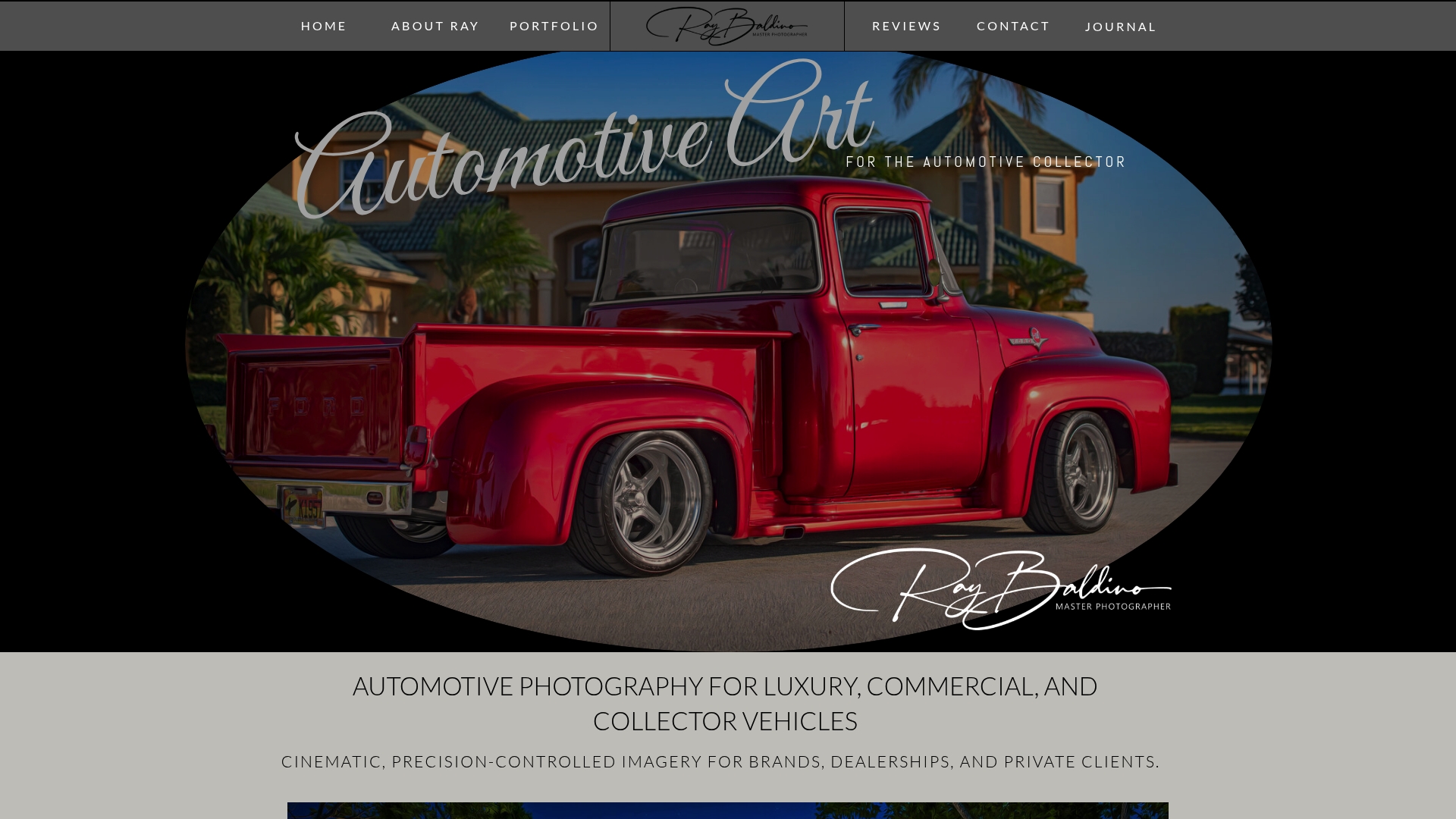
Baldinoautomotive specializes in high-end automotive photography for dealerships, private collectors, and commercial clients. Ray Baldino, a Master Photographer with over 35 years of experience and work featured on more than 550 magazine covers, brings controlled lighting, disciplined staging, and technical precision to every shoot. Whether you need inventory photography that converts, lifestyle imagery that builds brand identity, or compliance-ready visuals for social campaigns, Baldinoautomotive delivers imagery that performs. Visit Baldino Automotive to explore services, or learn more about what it means to hire an automotive photographer built specifically for dealerships.
FAQ
What are the main photo content types for dealership social media?
The seven core types are vehicle showcases, customer delivery photos, feature spotlights, behind-the-scenes content, community and event posts, educational imagery, and lifestyle or category posts. Rotating through all seven keeps your feed varied and your audience engaged.
Can dealerships use AI-generated images on social media?
AI-generated images are permitted only for general category or lifestyle posts and must be clearly labeled as illustrative. They must never represent actual inventory or appear alongside real VINs and pricing, as this creates misleading advertising.
How often should a dealership post photo content?
A minimum of three posts per week is the recommended cadence for independent dealerships to maintain an active social presence. A 30 to 40 post monthly calendar with varied content archetypes is the standard for top-performing accounts.
Do dealerships need customer consent for delivery photos?
Written consent is required before posting any customer photo to social channels. A signed photo release integrated into the delivery paperwork is the most reliable way to collect consent at the right moment.
Which platform is best for dealership automotive photo content?
Instagram is the primary platform for vehicle showcases and high-resolution inventory photography. TikTok performs well for behind-the-scenes and personality-driven content, while Facebook drives community engagement and event promotion.

