
July 22, 2026
After Owning More Than 60 Cars: What I’ve Learned
Since getting my driver’s license, I’ve owned more than sixty automobiles. Some were daily drivers, while others became weekend projects that I repaired, enjoyed, and eventually passed on to their next owner. Every one of them taught me something-not just about cars, but about recognizing value, appreciating craftsmanship, and understanding that the newest automobile isn’t always the most rewarding one to own.
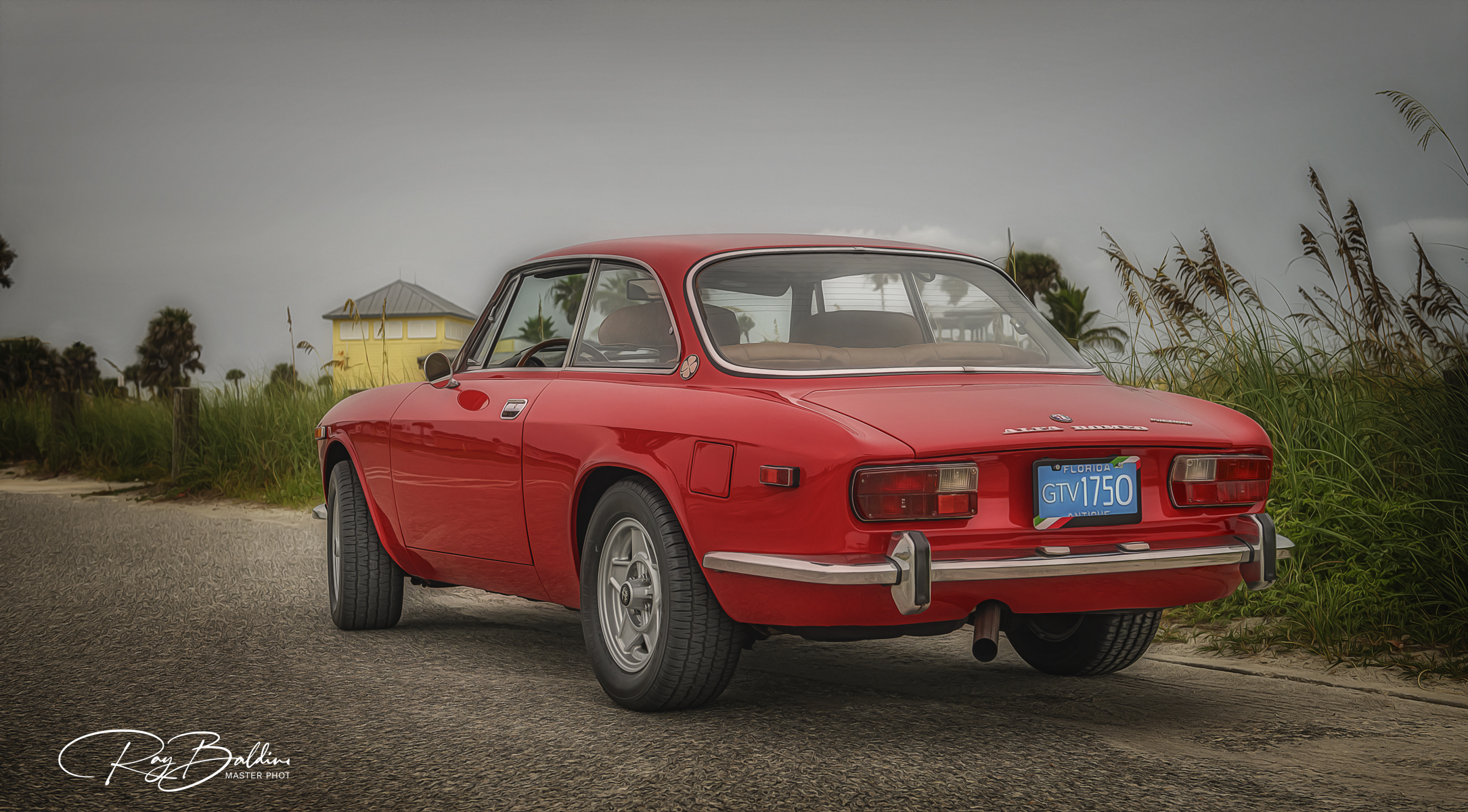
One of my most recent projects was a 1973 Alfa Romeo. It wasn’t the fastest car I’d ever owned, nor the most valuable, but it quickly became one of my favorites. I enjoyed bringing it back to life, taking it out on weekend drives, and simply admiring its timeless design. Eventually I passed it along to its next owner, and while it turned out to be a profitable project, what stayed with me was the reminder that some of the greatest automotive experiences don’t always come from buying new.
That Alfa also reminded me of something I’ve been seeing throughout today’s automotive market. Buyers willing to look beyond the showroom now have opportunities that simply didn’t exist a few years ago. Not every automobile is destined to become a collector’s car, but many well-maintained performance cars offer far more value today than they did just a few years ago.
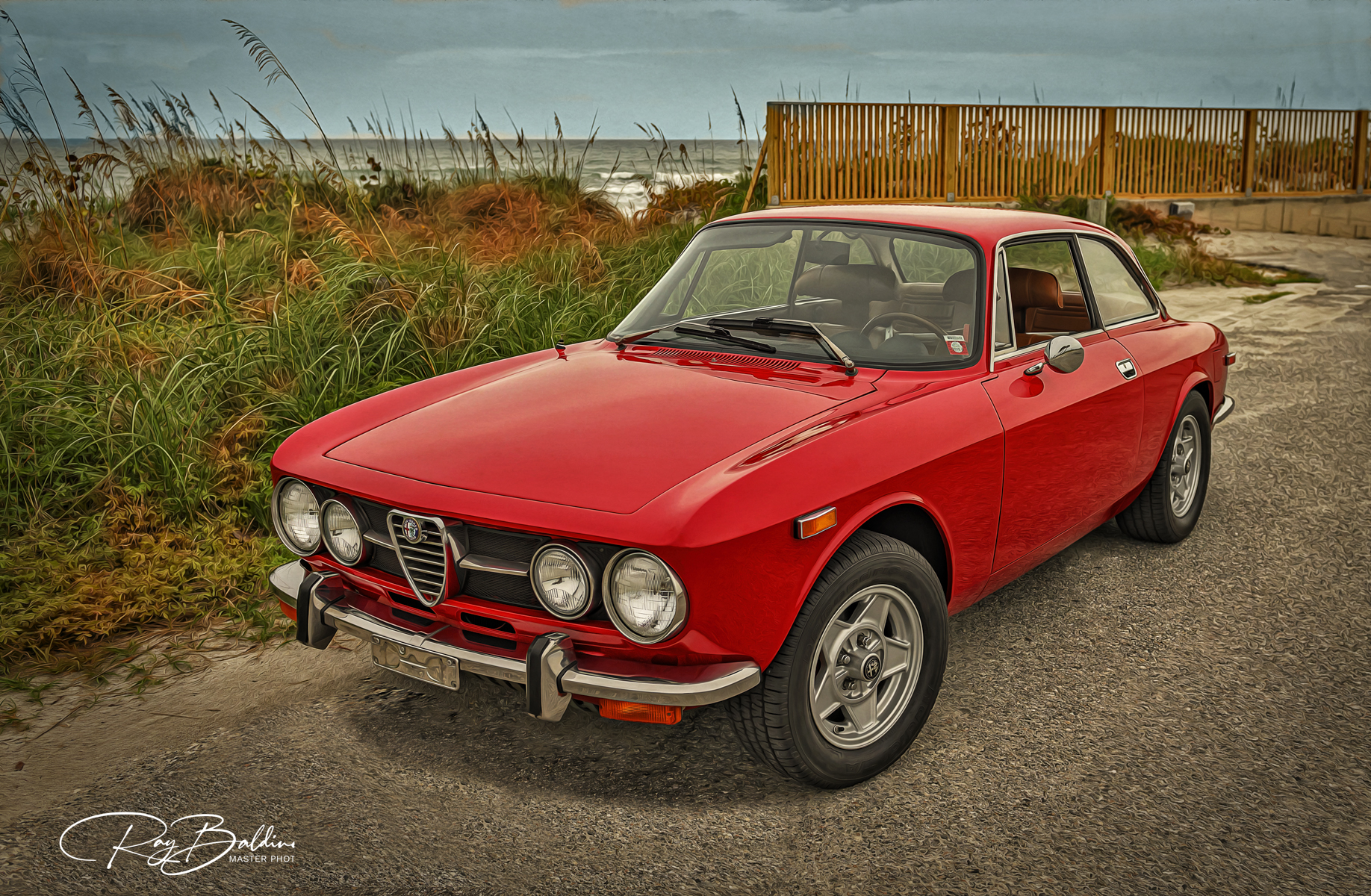
My 1973 Alfa Romeo GTV. One of more than sixty automobiles I’ve owned over the years-and one that reminded me that buying pre-owned can be one of the most rewarding experiences in automotive ownership.
Lessons I’ve learned after owning more than 60 cars
One thing I’ve noticed after photographing hundreds of remarkable automobiles is that the best cars usually come with passionate owners. The same philosophy has guided many of my own purchases over the years.
1. Service History Matters More Than Mileage
One of my most recent purchases was a 2017 Mercedes-Benz SL550. I had my heart set on finding a low-mileage example, and there were plenty to choose from. But one particular SL kept pulling me back-not because of the odometer, but because of how it had been cared for.
It was a two-owner car with 42,000 miles, yet the paint was nearly flawless, the interior looked almost new, and it was obvious the previous owners had taken great pride in maintaining it. I found the car at a Mercedes-Benz dealership in Texas and, despite never seeing or driving it in person, I felt confident enough to buy it. Before it left the dealership, Mercedes performed a comprehensive inspection and completed all of the recommended maintenance, bringing the car to exceptional condition before it was loaded onto a transporter for the trip to Florida.
That experience reinforced something I’ve learned over the years: “Service history often tells a much more important story than the mileage on the odometer.” A well-maintained automobile with 40,000 or 50,000 miles can be a far better purchase than a neglected one with half that mileage. Quality engineering, combined with consistent maintenance, often matters far more than chasing the lowest number on the dashboard.
A quality automobile that’s been cared for properly will almost always outshine one that’s simply been driven less.
2. Buy the Previous Owner
The best automobiles usually come with owners who genuinely cared about them. I look for organized service records, detailed documentation, and little signs that the owner took pride in the car. Those details often tell me more than the vehicle itself. When buying from a private owner, you often learn just as much about the seller as you do the automobile. Trust your instincts. If something doesn’t feel right about the seller or the automobile, don’t force the purchase. Another great car will always come along.
3. Don’t Chase the Cheapest Car
The least expensive example is rarely the best value. In my experience, condition almost always wins. Before buying any automobile, I look at the service records, review the Carfax report, and, if possible, have a trusted mechanic inspect it. If I’m familiar with the model, I’ll even put it on a lift and take a look myself.
I learned this lesson years ago when I went to look at what appeared to be an incredible deal. The online photos looked fantastic, the price was thousands less than comparable cars, and I thought I might have found a bargain.
The excitement lasted about five seconds.
The moment the engine started, I knew something wasn’t right. It was unbelievably loud. I crouched down for a quick look underneath and immediately saw why-the car had no exhaust system at all. The pipes and mufflers had been removed. I thanked the seller for his time, got back in my car, and left.
That experience reinforced something I’ve learned after buying more than sixty automobiles: if a deal seems too good to be true, it usually is. There will always be another car. I’d rather pay a little more for the right automobile than spend months fixing the wrong one.
4. Buy What Makes You Smile
Some automobiles make financial sense.
Others simply make you happy.
When you’re fortunate enough to find both…
don’t wait too long.
After more than sixty automobiles, I’ve learned that buying the right car isn’t always about horsepower, prestige, or even price. It’s about finding an automobile that excites you every time you open the garage door. If today’s market gives you the opportunity to own a car you’ve always admired, don’t overlook the pre-owned examples. Some of the best automobiles I’ve ever owned came with a previous owner… and a great story.
Prices Have Steadied, But Haven’t Fallen to the Floor
According to City of Cars market analysis, one of the biggest developments in 2026 is that used vehicle prices have become more stable, after several years of dramatic increases and corrections, the market has settled into a more predictable pattern.
That predictability is genuinely useful for a buyer. You can research a price, come back a week later, and the market hasn’t moved dramatically underneath you.
Inventory Is Actually Improving
One thing I’ve noticed over the last year is that buyers finally have something they haven’t had in a long time-choices. Inventory has improved, dealers aren’t quite as desperate for inventory, and shoppers can actually compare multiple cars instead of buying the first decent one they find. That’s a healthy market.
Mistakes I See Buyers Make
Chasing the Price, Not the Total Cost
I’ve found that most buyers focus almost entirely on the sticker price and walk right past the numbers that actually determine whether the purchase is a good one. Your monthly payment, your insurance rate, your estimated repair costs, and the vehicle’s remaining warranty all matter more than the asking price alone. City of Cars advises that even as prices have become more stable, financing remains a critical part of the buying process, interest rates and lending standards continue to influence purchasing decisions, making it important for shoppers to consider the total cost of ownership rather than focusing solely on the vehicle’s sticker price.
Skipping the Pre-Purchase Inspection
This one costs people real money, every single day. A vehicle history report, obtained using the car’s VIN number, is a detailed record of major events and information, showing things like transfers of ownership, accidents, major repairs, mileage, flood or fire damage, and other important information, according to TheStreet’s used car buying guide. Beyond the report, a physical inspection from an independent mechanic runs about $100-$200 at most shops and can uncover thousands in hidden issues. That’s the best money you’ll spend in the whole process.
Skipping Pre-Approval on Financing
In my experience, walking into a dealership without pre-approval is like walking into a negotiation with your hands tied. The dealer controls the rate conversation entirely. Get a quote from your bank or credit union first, then see what the dealer can beat.
Owning more than sixty automobiles hasn’t made me an expert-it has simply given me experience. Some purchases were great. Others taught expensive lessons. But if there’s one thing I’ve learned, it’s this: the right automobile isn’t always the newest or the most expensive. It’s the one that’s been cared for, speaks to you when you see it, and still makes you smile every time you open the garage door. If today’s market gives you the chance to own that car, don’t overlook the pre-owned examples. They may be the best values I’ve seen in decades.
Sources
- Average New Car Payment Reaches All-Time High, Fox9 / LendingTree / Experian. Q1 2026 monthly payment data for new and used vehicles. https://www.fox9.com/news/new-car-payment-reaches-all-time-high-2026
- Will Used Car Prices Fall in 2026?, CarEdge. Segment-by-segment price forecast including sedans, EVs, trucks, and SUVs. CarEdge’s 2026 price forecast
- Dealers Brace for Glut of Used EVs, CBT News / CDK Global. EV lease expiration volume and off-lease inventory projections for 2026. https://www.cbtnews.com/dealers-brace-for-glut-of-used-evs/
- Used Car Prices Approach Records, Edmunds. Q1 2026 used car report covering pricing, residual values, and off-lease surge. Edmunds’ Q1 2026 Used Car Report
- Used Car Market Trends in 2026, City of Cars. Buyer-focused overview of pricing stability, financing, and inventory conditions. https://www.cityofcars.com/blog/used-car-market-trends-in-2026-what-buyers-need-to-know
- The Latest Car Tariff Information, Kelley Blue Book. How auto tariffs affect new and used vehicle buyers in 2026. Kelley Blue Book’s tariff tracker
- Used Car Market Trends 2026, Accio. Inventory levels, EV trends, and market size data for the U.S. used car segment. https://www.accio.com/business/used-car-market-trends-2026
